
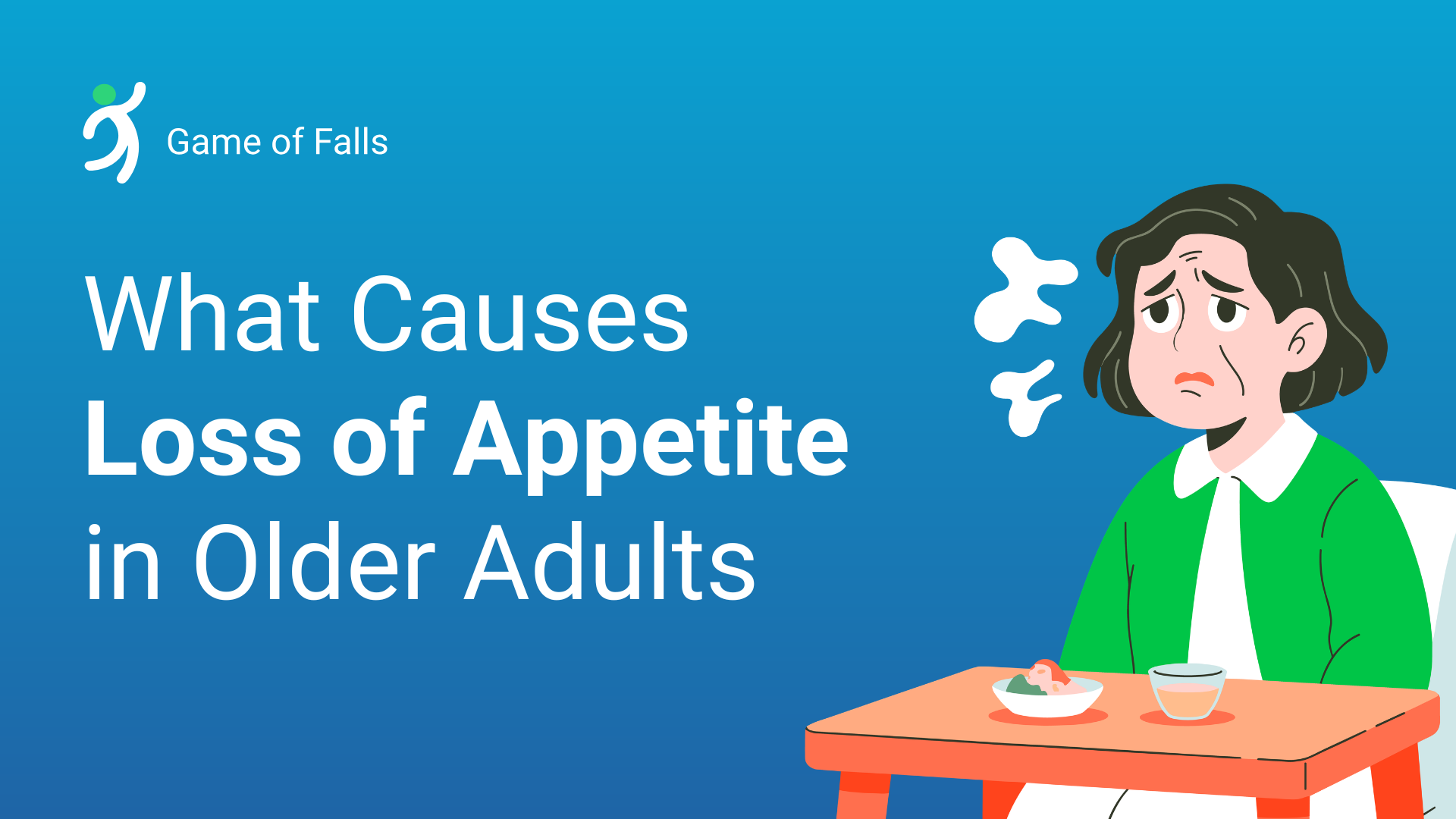
A dwindling appetite in older adults is often seen as a simple fact of aging. The real story is more tangled. Several unseen threads pull at the desire to eat, making meals less inviting and nutrition less certain. Like a fading radio signal, the cues that once called for food grow faint or tangled with static.
Physiological Changes with Age
As people age, the body’s engine slows down. Metabolism drops so the fuel tank empties more slowly. Taste buds and the nose lose their sharpness, so the once-delicious flavors of favorite foods become dull and uninspiring. Picture eating with a clothespin on your nose—the pleasure is muted. This natural shift can make older adults eat less without even realizing it.
Chronic Illnesses and Medical Conditions
Chronic diseases act like thieves in the night, quietly stealing the joy of eating. Dementia, cancer, heart disease, and diabetes can sap energy and blunt hunger signals. These conditions often bring fatigue or pain that makes preparing or even thinking about food exhausting. Digestive changes, such as slower stomach emptying or constipation, can make every meal feel like a chore instead of a treat.
Mental and Emotional Factors
Mental health casts a shadow over the dining table. Depression, anxiety, and loneliness all quiet the appetite. Eating alone, day after day, turns meals into a silent affair. The warmth of conversation and the clatter of shared dishes disappear. Imagine a festive dinner replaced with a solitary sandwich—appetite often fades in such silence.
Medication Side Effects
Many older adults take multiple medications, and each can alter appetite in unique ways. Some drugs leave a metallic taste, others cause dry mouth or nausea, and many create drowsiness or confusion. Picture a meal with a strange aftertaste or the effort of chewing when you feel sleepy—suddenly, food loses its appeal. Careful attention to medication timing is a subtle but powerful way to reduce side effects that sap appetite, especially those that peak during active hours.
Oral Health and Mobility Issues
Good dental health keeps eating enjoyable. Tooth pain, ill-fitting dentures, or mouth sores can make every bite a battle. If you wince with each chew, you start to avoid food. Add mobility issues, and shopping or cooking becomes a logistical puzzle. Suddenly, instead of a fresh meal, a can of soup becomes the easier choice.
How to Address Appetite Loss in Older Adults
Small changes can help reignite the desire to eat:
- Encourage social dining with family or friends, even virtually, to make meals more engaging
- Consult healthcare providers to review medications for appetite-related side effects
- Include nutrient-dense foods like eggs, yogurt, avocados, and beans to pack more nutrition into smaller portions
- Address dental care to make eating comfortable and enjoyable
- Tackle digestive issues such as constipation or acid reflux with the right dietary adjustments and medical guidance
- Use tools like the Game of Falls app to promote physical activity and mental engagement, both of which can boost appetite indirectly by improving mood and confidence
The Role of Social Connections and Routine
Routine and ritual can restore appetite. Meals tied to daily habits, shared with others, or set to music or a favorite show can spark enjoyment. Think of dinner as a daily celebration, not just a task. The presence of others transforms food from mere sustenance into a shared experience.
Summary
Loss of appetite in older adults is rarely caused by just one factor. It’s a web woven from changes in body, mind, and environment. Like a plant in fading sunlight, appetite withers but can bloom again with care. By understanding the many causes and making thoughtful adjustments, families and caregivers can help older adults rediscover the joys of eating.

Looking youthful is not only about skincare products or expensive treatments. Everyday choices can affect your skin, energy, mobility, heart health, and cognitive wellbeing over time. While ageing is natural, some habits may speed up visible and internal changes more than others. The good news is that many of these habits are manageable. If you […]
A conversation with someone living with dementia may not always follow familiar patterns. They might repeat a question, lose a word halfway through a sentence, become upset by a small change in routine, or talk about a place or person from long ago as though it were today. These moments can be painful and confusing […]
Caring for a loved one with arthritis can be rewarding, but it can also be challenging. Joint pain, stiffness, swelling, and limited mobility may make everyday activities such as dressing, bathing, cooking, or walking more difficult. Caregivers can provide valuable support by helping older adults manage symptoms safely while maintaining comfort and independence. Medical treatment […]
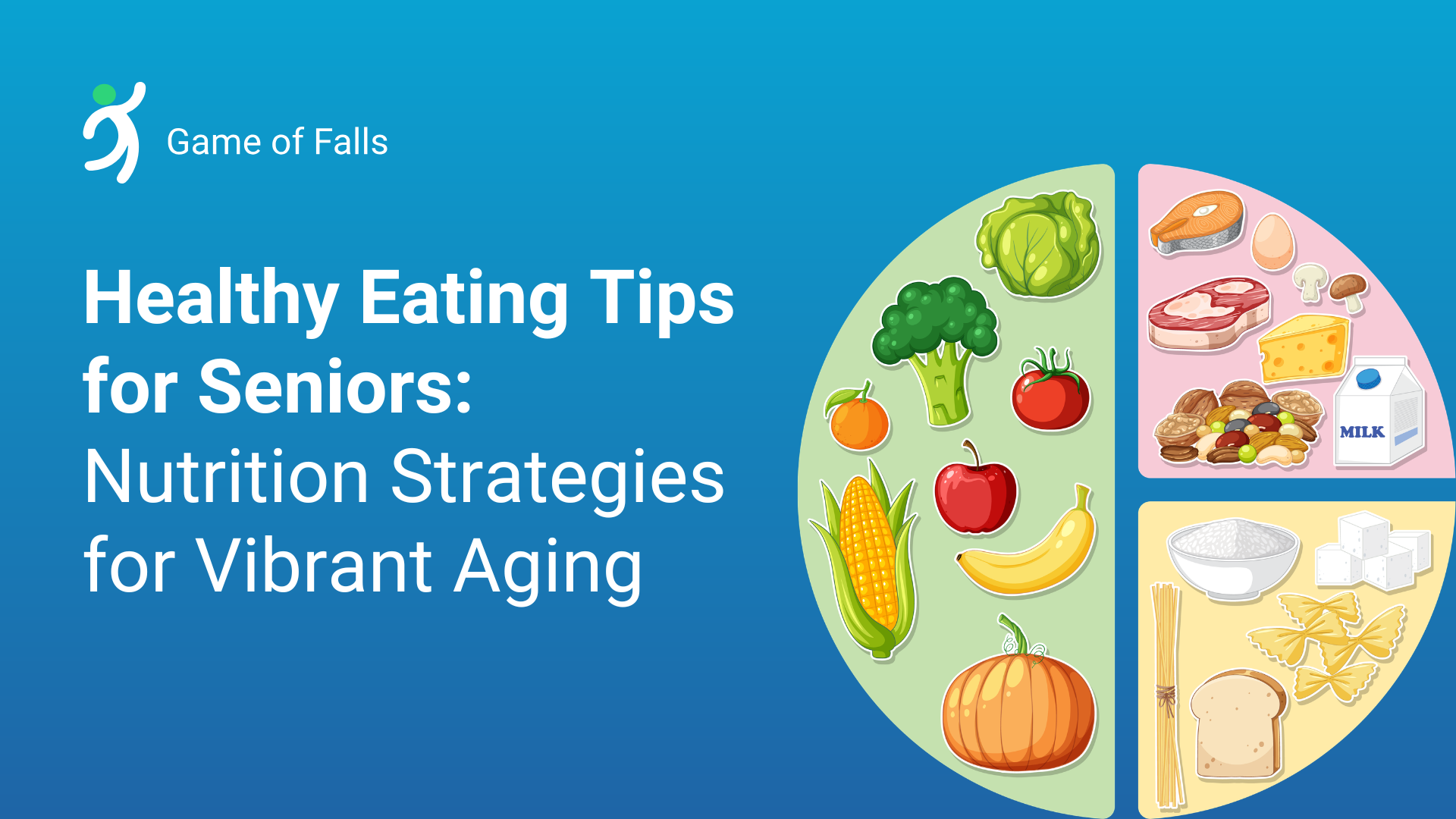
A healthy diet begins with the daily choices you make. Feeding your body the right nutrients and maintaining a healthy weight can help you stay active and independent as you age. Eating well can also reduce time and money spent at the doctor, especially if you are managing chronic conditions such as diabetes or heart […]