
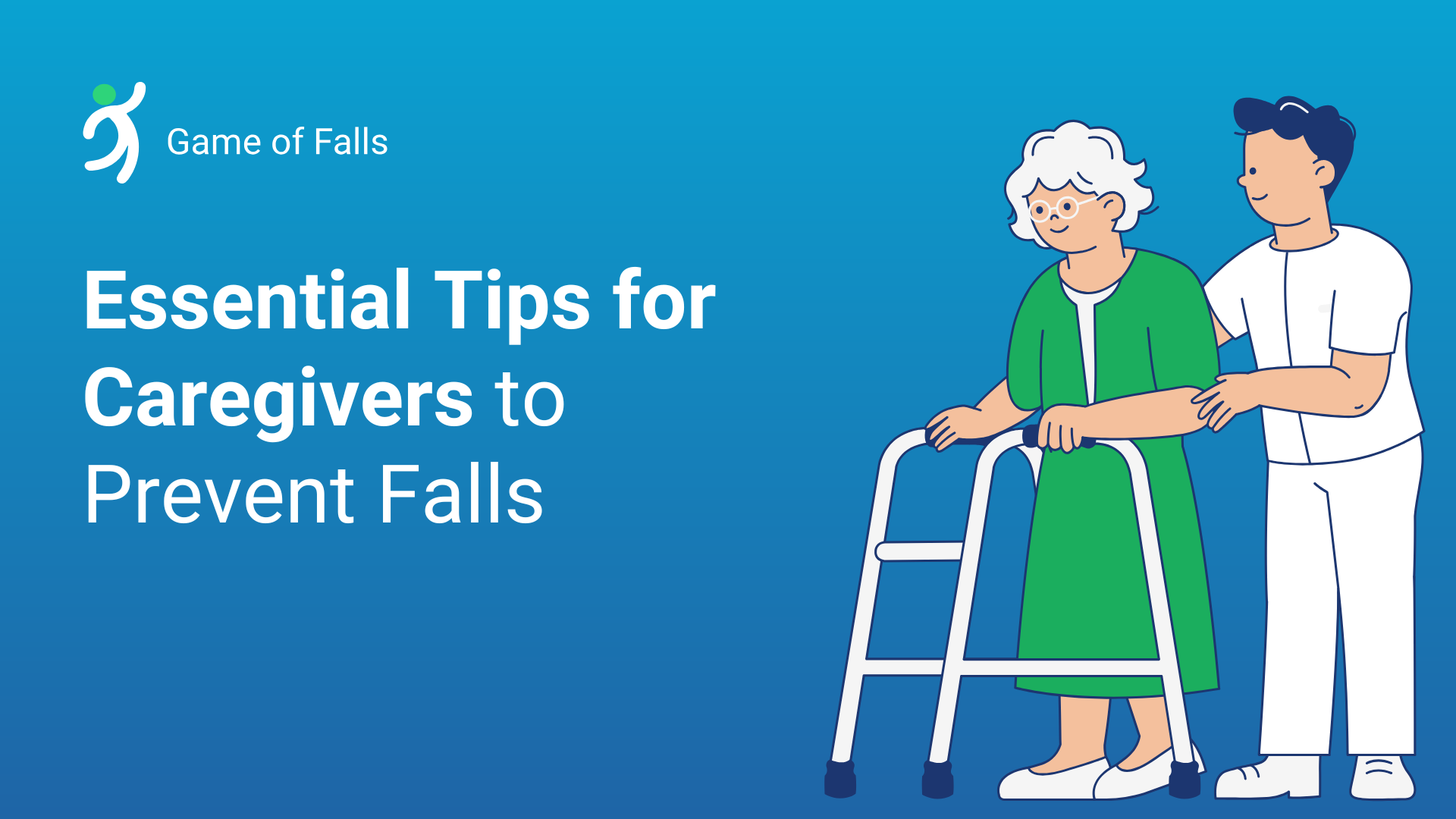
Falls pose a significant threat to the health and independence of older adults. For caregivers, understanding and implementing strategies to prevent falls is crucial. A proactive approach can dramatically reduce risks. It helps maintain the well-being and confidence of those in your care.
Home Environment Safety
The home environment is often where most falls occur. Simple modifications can create a much safer space. Start by decluttering pathways. Remove loose rugs or secure them with non-slip backing. Ensure adequate lighting in all areas, especially stairwells and bathrooms. Install grab bars in showers and next to toilets. Handrails on both sides of staircases provide vital support.
Promoting Physical Activity
Regular physical activity is a cornerstone of fall prevention. Exercise helps improve strength, balance, and flexibility. Encourage activities suited to the individual’s capabilities. This could include walking, tai chi, or seated exercises. Consult with a healthcare professional to tailor an appropriate exercise plan. Consistency is key to building and maintaining physical resilience.
Medication Review andManagement
Many medications can increase the risk of falls. They may cause dizziness, drowsiness, or affect balance. Regularly review all medications with a doctor or pharmacist. Discuss potential side effects. Explore if dosages can be adjusted or if alternative medications are available. Proper medication management is a vital step to prevent falls.
Appropriate Footwear Choices
Footwear plays a surprisingly large role in fall risk. Encourage wearing sturdy, well-fitting shoes with non-slip soles. Avoid looseslippers, high heels, or walking in socks. Shoes should provide good support and traction. This simple change can make a big difference in stability.
Utilizing Assistive Devices
When necessary, assistive devices offer invaluable support. Walkers orcanes can enhance stability and confidence. Ensure these devices are properly fitted and used correctly. A physical therapist can provide guidance on selection and proper technique. Regular maintenance checks ensure they remain safe and effective.
Regular Health Check-ups
Routine medical check-ups are essential. Vision and hearing impairments can significantly increase fall risk. Ensure regular eye exams and updates to prescriptions. Address any hearing loss promptly. Discuss any changes in balance, gait, or dizziness with the doctor. These appointments are opportunities to identify and mitigate underlying health issues.
Nutrition and Hydration
Good nutrition and hydration contribute to overall strength and energy. Dehydration can lead to dizziness and weakness. A balanced diet supports muscle strength and bone health. Ensure the individual is consuming enough fluids and nutrient-rich foods. This holistic approach supports their physical resilience.
Caregiver Education and Resources
Caregivers also need support and education. Understanding the nuances of fall prevention empowers you. Seek out resources that offer practical advice and tools. An innovative resource like “Game of Falls” offers an interactive app. It educates seniors about household fall risks. This makes fall prevention in seniors more accessible and engaging. Such tools can be excellent additions to your caregiving strategy.
Conclusion
Implementing these essential tips can significantly reduce the risk of falls for older adults. It requires a comprehensive and consistent effort. Focus on creating a safe environment. Encourage physical activity. Manage medications carefully. Prioritize appropriate footwear and assistive devices. Ensure regular health monitoring. By taking these proactive steps, caregivers can help those in their care live safer, more independent lives. These measures are crucial to prevent falls and promote lasting well-being.
Back pain is one of the most common complaints among older adults, ranking as one of the top three reasons seniors visit their physician. While living a healthy lifestyle can help keep you active in your later years, new aches and pains often appear, especially after age 60. The good news is that most episodes […]
Looking youthful is not only about skincare products or expensive treatments. Everyday choices can affect your skin, energy, mobility, heart health, and cognitive wellbeing over time. While ageing is natural, some habits may speed up visible and internal changes more than others. The good news is that many of these habits are manageable. If you […]
A conversation with someone living with dementia may not always follow familiar patterns. They might repeat a question, lose a word halfway through a sentence, become upset by a small change in routine, or talk about a place or person from long ago as though it were today. These moments can be painful and confusing […]
Caring for a loved one with arthritis can be rewarding, but it can also be challenging. Joint pain, stiffness, swelling, and limited mobility may make everyday activities such as dressing, bathing, cooking, or walking more difficult. Caregivers can provide valuable support by helping older adults manage symptoms safely while maintaining comfort and independence. Medical treatment […]