
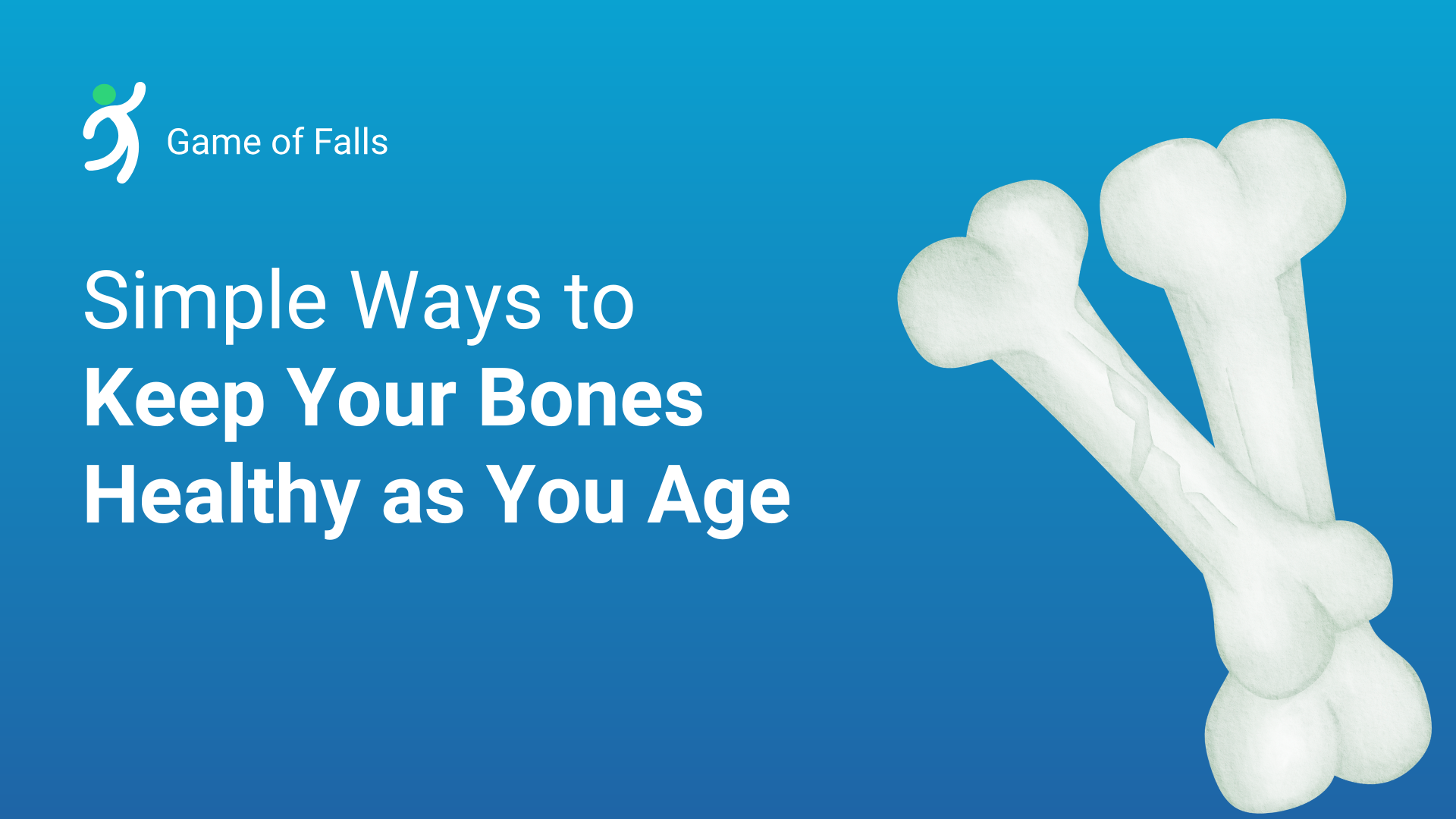
As you grow older, your bones naturally become more fragile, but that doesn’t mean you’re powerless. Think of your bones like the framework of a house: with regular upkeep, they’ll keep you standing strong for decades. Keeping your bones healthy as you age involves making a few intentional lifestyle choices that pay off over time.
Nutrition plays a foundational role in bone health. A diet rich in calcium—found in dairy, leafy greens, and fortified foods—provides your bones with the building blocks they need. Vitamin D is essential too, since it helps your body absorb calcium efficiently; sunlight, fortified foods, and supplements are all good sources. Don’t forget protein, which makes up much of your bone’s structure. Avoid crash diets or extremely low-calorie eating, as these can weaken your bones.
Exercise acts as a stimulus, much like wind strengthens a tree’s trunk. Weight-bearing activities, such as walking, dancing, or climbing stairs, help your bones grow denser. Strength training—using weights or resistance bands—builds the muscles that support your bones, reducing your risk of falls. Balance exercises like yoga or tai chi further help by keeping you steady on your feet.
Lifestyle choices have a big impact on bone strength. Smoking and vaping can sap your bones of density, making fractures more likely. Excessive alcohol weakens bone tissue and increases your fall risk. Maintaining a healthy weight is also important; being underweight raises the chances of bone loss and fractures.
It’s wise to stay proactive about fall prevention and bone health. If you’re over 50 and break a bone, or have risk factors, ask your doctor for a bone density scan. This test can catch early signs of osteoporosis before a serious injury occurs.
Here are some simple daily actions you can take to help keep your bones strong:
- Eat calcium-rich foods with every meal
- Get regular sunlight or take vitamin D supplements
- Do strength or balance training each week
- Remove tripping hazards at home and keep walkways clear
- Keep your vision sharp with regular eye exams
Caring for your bones is like keeping an old bridge in working order—it only takes a bit of regular attention to keep it reliable. By focusing on good nutrition, staying active, and making smart lifestyle choices, you’ll give yourself the best chance at independence and mobility for years to come. For extra support and interactive fall prevention, try the Game of Falls app—it’s a fun way to learn and keep your bones protected as you age.
Looking youthful is not only about skincare products or expensive treatments. Everyday choices can affect your skin, energy, mobility, heart health, and cognitive wellbeing over time. While ageing is natural, some habits may speed up visible and internal changes more than others. The good news is that many of these habits are manageable. If you […]
A conversation with someone living with dementia may not always follow familiar patterns. They might repeat a question, lose a word halfway through a sentence, become upset by a small change in routine, or talk about a place or person from long ago as though it were today. These moments can be painful and confusing […]
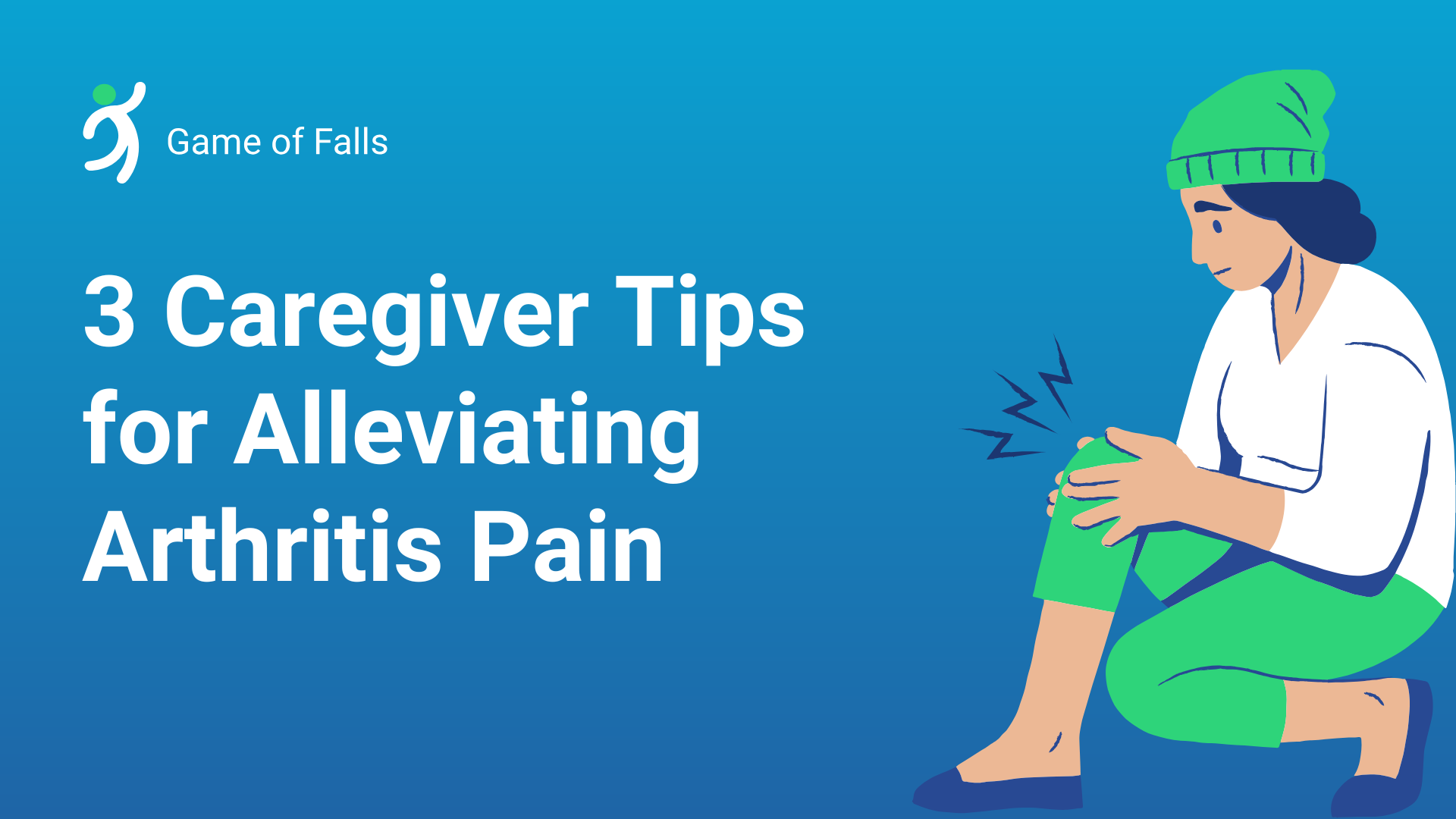
Caring for a loved one with arthritis can be rewarding, but it can also be challenging. Joint pain, stiffness, swelling, and limited mobility may make everyday activities such as dressing, bathing, cooking, or walking more difficult. Caregivers can provide valuable support by helping older adults manage symptoms safely while maintaining comfort and independence. Medical treatment […]
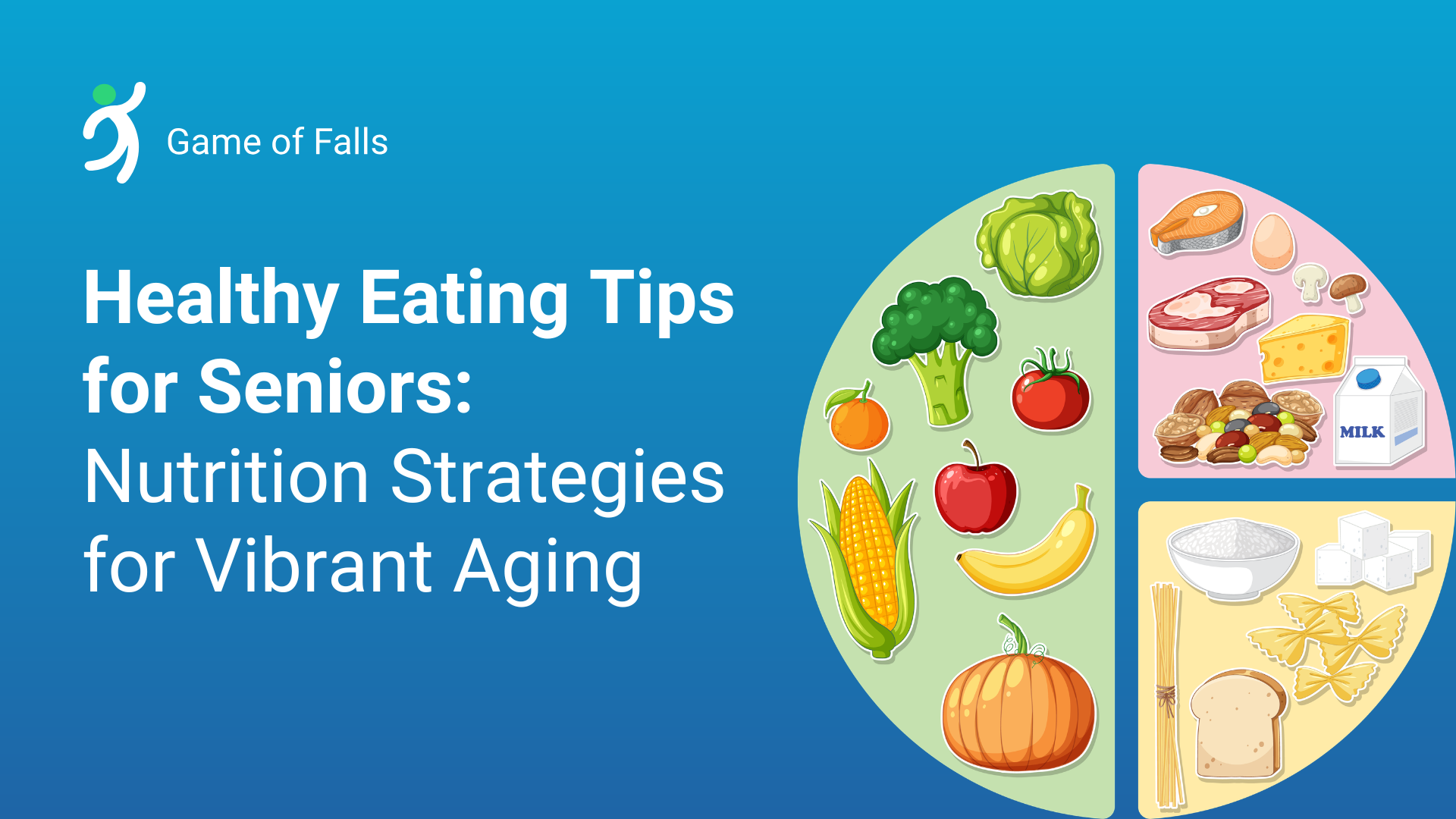
A healthy diet begins with the daily choices you make. Feeding your body the right nutrients and maintaining a healthy weight can help you stay active and independent as you age. Eating well can also reduce time and money spent at the doctor, especially if you are managing chronic conditions such as diabetes or heart […]