
Falls represent one of the most significant health risks for individuals living with dementia. The cognitive decline associated with this condition, combined with physical changes such as balance issues, altered perception, and muscle weakness, creates a heightened vulnerability to falling. Understanding how to minimize these risks is essential for maintaining safety, independence, and quality of life.
Understanding the Scope of the Problem
Falls are alarmingly common among older adults, with statistics showing that one in three people over 65 experiences a fall each year. For dementia patients, this risk intensifies considerably. The cognitive impairments that accompany dementia can affect a person’s ability to recognize hazards, judge distances accurately, and respond appropriately to environmental challenges.
The consequences extend beyond immediate physical injury. Falls can lead to serious complications including bone fractures, hospitalizations, and a pervasive fear of falling again. This fear often triggers a cycle of reduced activity, which further weakens muscles and balance, ultimately increasing the likelihood of future falls.
Creating a Safer Home Environment
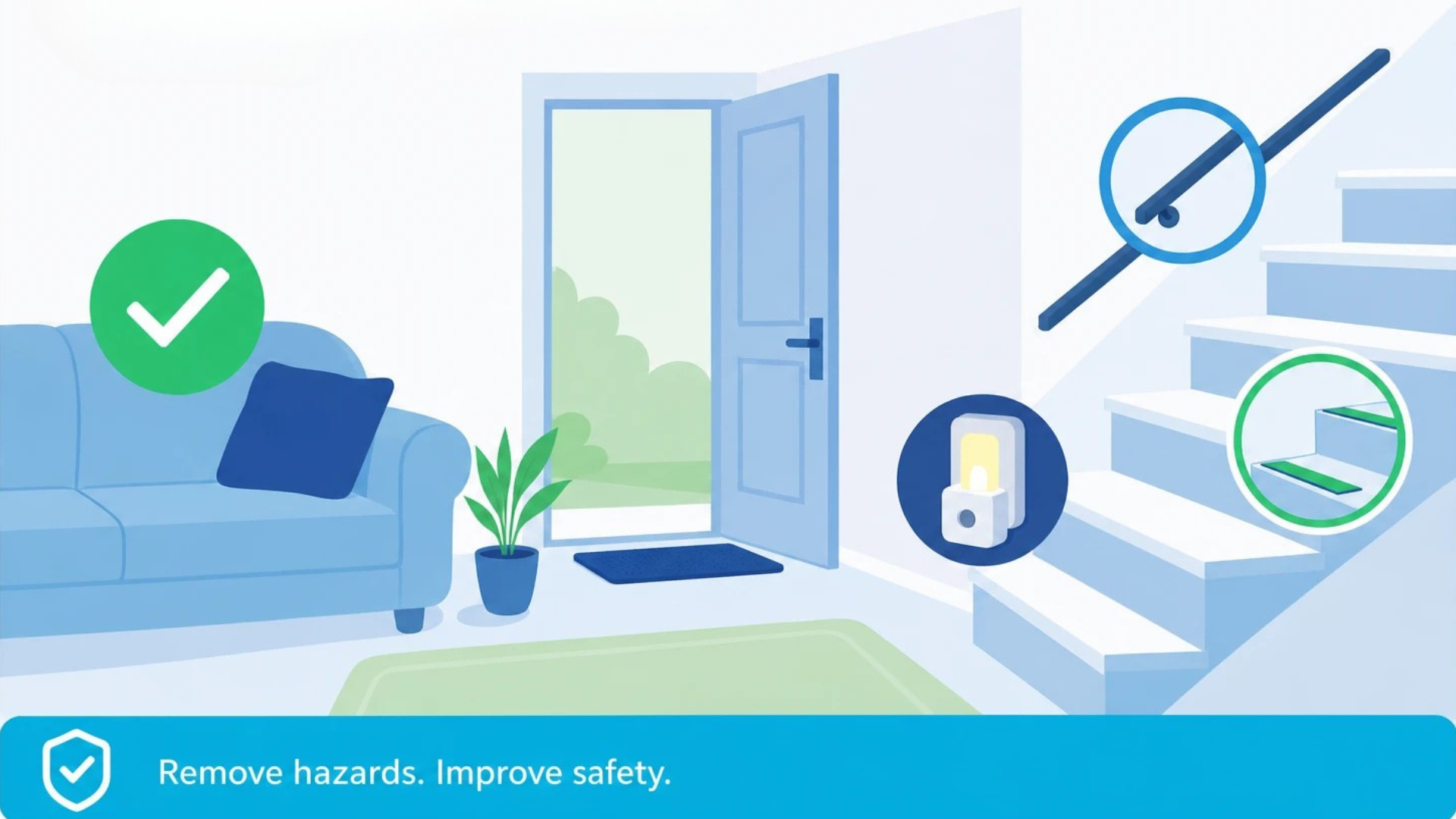
The majority of falls occur within the home, making environmental modifications a critical first step in prevention. Start by conducting a thorough assessment of living spaces to identify and eliminate potential hazards.
Key home safety modifications include:
– Remove loose rugs, electrical cords, and cluttered obstacles from walkways
– Install adequate lighting throughout the home, particularly in hallways, staircases, and bathrooms
– Add grab bars in bathrooms near toilets and showers
– Use higher chairs and armchairs to ease transitions between sitting and standing
– Install handrails on both sides of staircases
– Keep frequently used items within easy reach to avoid overreaching or climbing
Consider keeping a mobile phone or personal alarm accessible at all times, ensuring help can be summoned quickly if needed.
The Importance of Proper Footwear
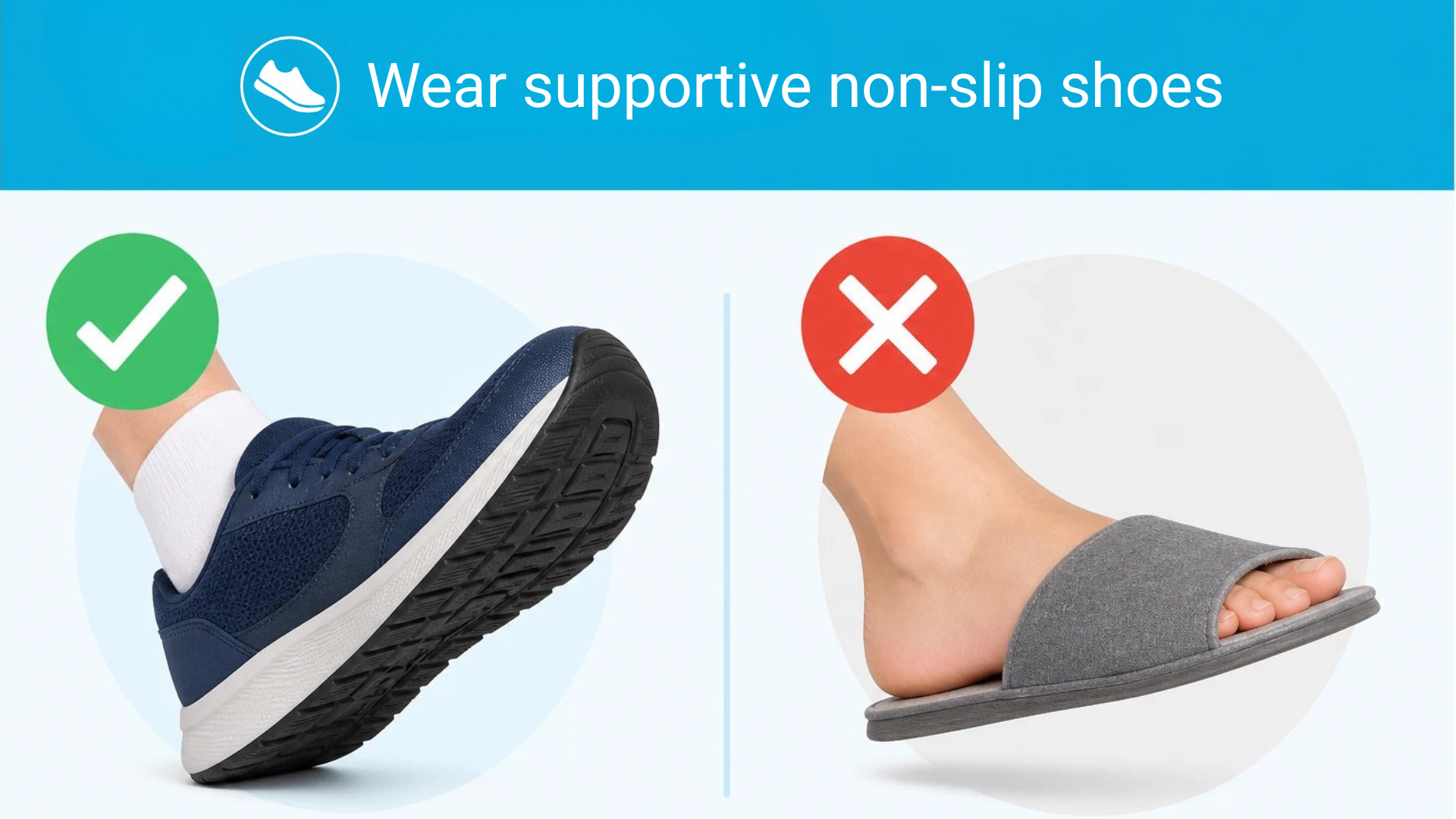
Footwear plays a surprisingly significant role in fall prevention guidelines. Shoes should have non-slip soles with appropriate grip, a broad heel no higher than 2.5cm, and secure fastenings such as laces or Velcro. The sole should be firm and flat, bending primarily at the ball of the foot.
Avoid loose-fitting slippers, thongs, or any footwear that doesn’t provide secure support. Well-fitted shoes that conform to the foot shape can dramatically improve stability and confidence.
Exercise: The Foundation of Fall Prevention
Physical activity stands as one of the most effective interventions for preventing falls for dementia patients. Regular exercise programs tailored to individual abilities can improve strength, balance, coordination, and overall mobility. Beyond the physical benefits, exercise significantly boosts self-confidence and reduces the fear of falling.
Research demonstrates that individuals who engage in consistent balance and strength training experience fewer falls and maintain greater independence. The psychological benefit cannot be overstated—when people feel stronger and more stable, they’re more likely to remain active rather than withdrawing from daily activities.
Specific Exercises for Strength and Balance
A comprehensive exercise program should target multiple muscle groups and incorporate both strength and balance components. Begin with seated exercises such as leg extensions using ankle weights or resistance bands, and seated rows for upper body strength.
Progress to standing exercises including calf raises, sit-to-stand repetitions, hip extensions, and side-hip strengthening movements. As confidence builds, add slow marching in place while holding a stable surface, wall push-ups, bicep curls, hamstring curls, and triceps pulls with resistance bands.
Aim for two sets of five to ten repetitions for each exercise, gradually increasing difficulty as strength improves. Always ensure exercises are supervised by trained professionals who can monitor form and progress while ensuring safety.
Medical Considerations and Monitoring
Certain medications can increase fall risk through side effects like dizziness, drowsiness, or blood pressure fluctuations. Regular medication reviews with healthcare providers can help identify and address these concerns. Additionally, conditions such as osteoporosis require special attention, as falls can result in serious fractures.
Moving Forward with Confidence
Preventing falls for dementia patients requires a multifaceted approach combining environmental modifications, appropriate footwear, regular exercise, and medical oversight. By implementing these strategies, caregivers and patients can work together to create safer living spaces while promoting ongoing independence and dignity. Professional guidance through structured programs like Game of Falls can provide the expertise and support needed to develop effective, personalized fall prevention strategies that truly make a difference.
Key Takeaways:
Environmental safety modifications, proper footwear, and regular strength and balance exercises form the foundation of fall prevention. These interventions not only reduce physical risk but also enhance confidence and independence for individuals living with dementia.
Looking youthful is not only about skincare products or expensive treatments. Everyday choices can affect your skin, energy, mobility, heart health, and cognitive wellbeing over time. While ageing is natural, some habits may speed up visible and internal changes more than others. The good news is that many of these habits are manageable. If you […]
A conversation with someone living with dementia may not always follow familiar patterns. They might repeat a question, lose a word halfway through a sentence, become upset by a small change in routine, or talk about a place or person from long ago as though it were today. These moments can be painful and confusing […]
Caring for a loved one with arthritis can be rewarding, but it can also be challenging. Joint pain, stiffness, swelling, and limited mobility may make everyday activities such as dressing, bathing, cooking, or walking more difficult. Caregivers can provide valuable support by helping older adults manage symptoms safely while maintaining comfort and independence. Medical treatment […]

A healthy diet begins with the daily choices you make. Feeding your body the right nutrients and maintaining a healthy weight can help you stay active and independent as you age. Eating well can also reduce time and money spent at the doctor, especially if you are managing chronic conditions such as diabetes or heart […]