
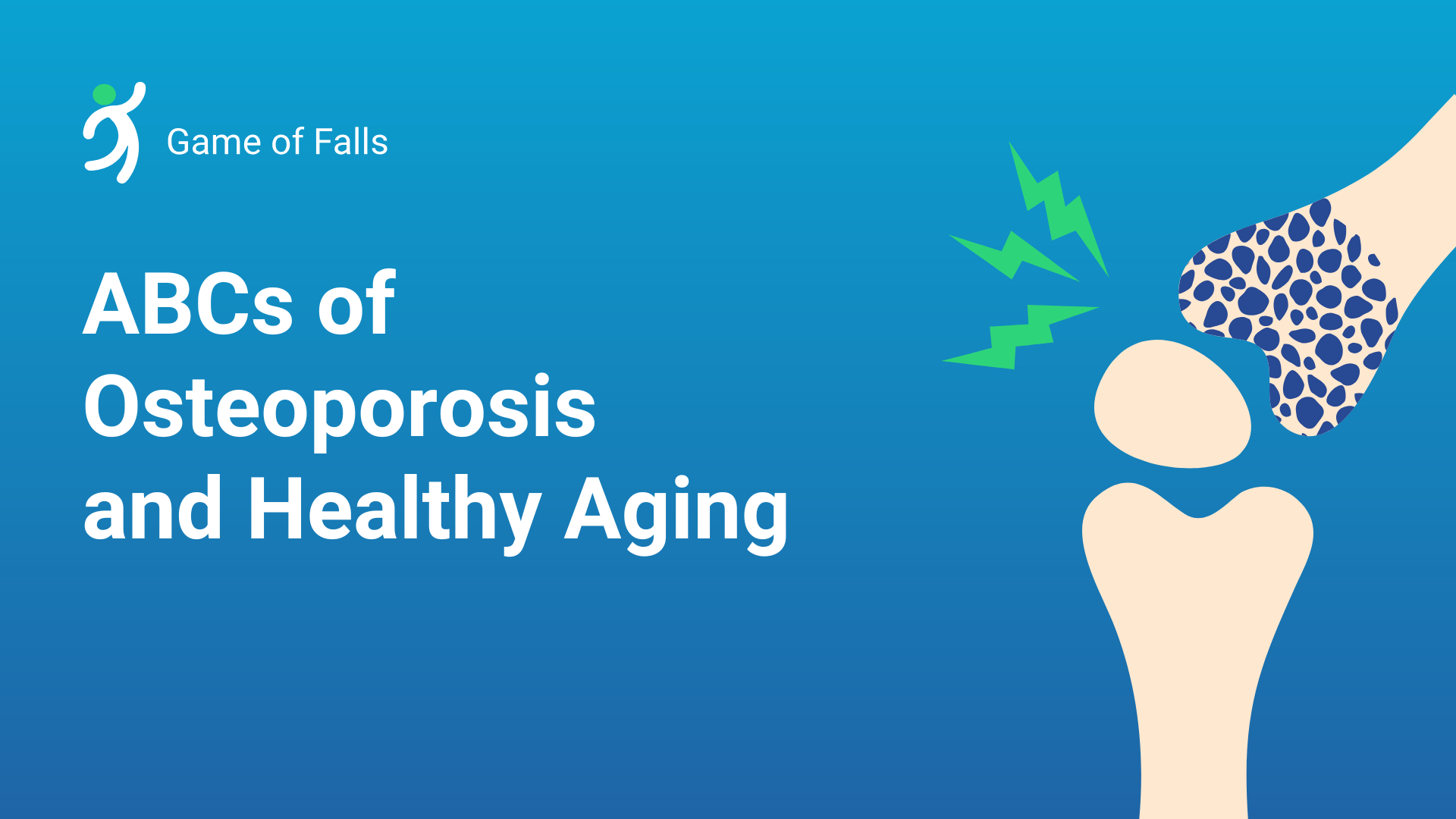
When diagnosed with osteoporosis, many people freeze in fear. They imagine themselves wrapped in bubble wrap, afraid that any movement might lead to a fracture. But there is a smarter and more empowering approach to managing this condition while ageing gracefully.
Understanding osteoporosis is the first step toward taking control of your bone health. This silent disease weakens bones, making them brittle and prone to fractures. Contrary to popular belief, osteoporosis itself is not painful—the pain usually comes only when a fracture occurs.
Breaking Common Myths
Osteoporosis does not affect only women. While one in three women will experience an osteoporotic fracture, one in five men will too. That means men also need to pay attention to their bone health and not assume they are protected.
The good news is that prevention is possible. Adequate calcium and vitamin D intake play an important role in supporting bone health, and a daily calcium intake of 1000mg is generally recommended. Just as important, falls remain one of the biggest causes of fracture. In fact, 90 percent of hip fractures and one-third of vertebral fractures are caused by falls.
The Three Pillars of Bone Health
Alignment: The Foundation of Better Bone Health
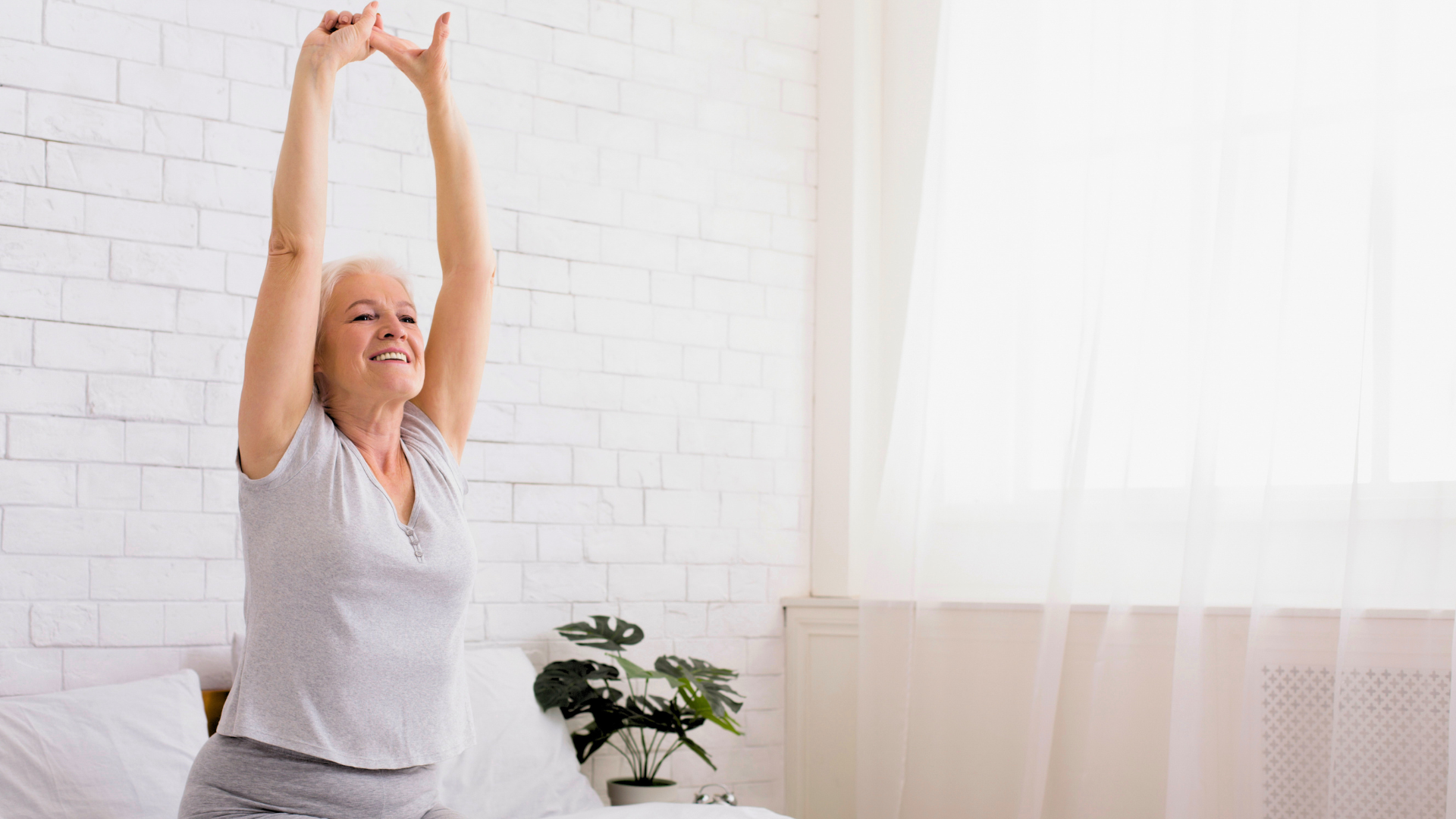
Proper alignment means maintaining a neutral spine, with the ear, shoulder, and hip in line when viewed from the side. Think of the reminder: Sit Tall and Walk Tall. Good posture is not only about appearance; it also helps reduce unnecessary stress on the spine.
Spinal flexion, or rounding forward, can create dangerous forces that increase fracture risk. A landmark 1984 Mayo Clinic study showed that flexion exercises increased vertebral fractures in women with osteoporosis. For this reason, safe movement matters.
A better option is hip hinging rather than spine rounding. Try this simple practice:
- Hold a broomstick behind your back.
- Make sure it touches your head, upper back, and sacrum.
- Bend from your hips while keeping those three points in contact.
- Keep your spine long and steady throughout the movement.
Avoid twisting to end range, especially when it is combined with flexion. Everyday actions like reaching for a casserole dish while twisting or bending and rotating to tie your shoes can create risky positions for the spine.
Balance: Your Fall Prevention Shield
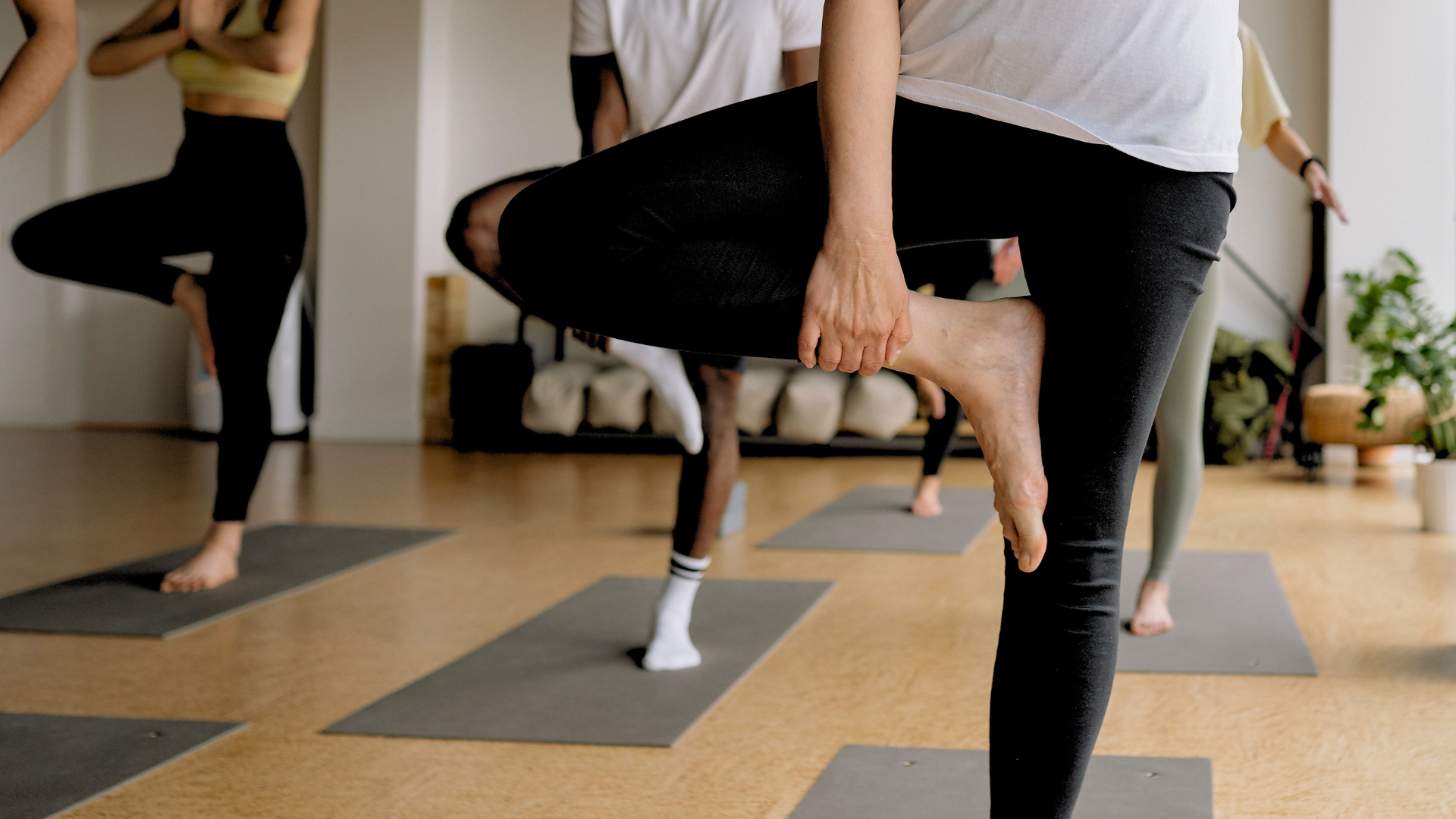
Balance training is essential because many fractures happen after a fall. Research has shown that standing on one leg for just one minute, three times daily, can improve hip bone density. Even simple balance work can support both stability and confidence.
A practical way to begin is to stand on one leg while brushing your top teeth, then switch legs while brushing your bottom teeth. Doing this twice a day adds up quickly and makes balance practice part of your routine. Strong hip and leg muscles also help you recover more quickly if you step on an uneven surface.
Contraction: Building Stronger Bones
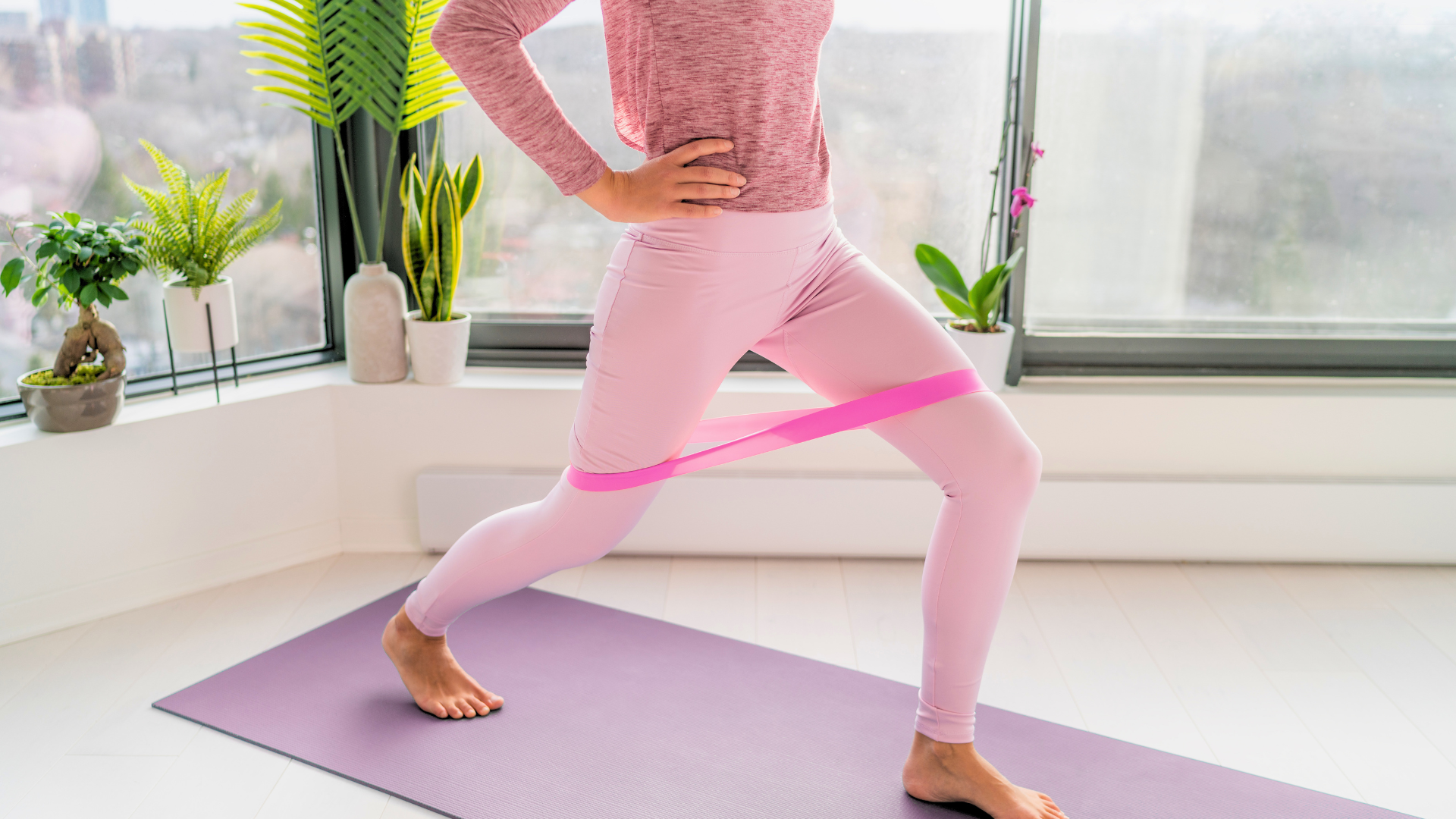
Bones respond to mechanical stress by adapting and growing stronger. That is why exercise is such an important part of osteoporosis care. The right kind of movement sends a signal to the bones to stay strong and resilient.
Good examples include planks, squats, lunges, resistance band exercises, free weights, and weight machines. Impact-based activities such as aerobics, stomping, and jumping can also help when appropriate. As muscles contract, their tendons pull on bone and trigger a growth response.
Beyond the Bones
Healthy aging includes more than bone health alone. Oral health becomes increasingly important in later years. Frequent snacking, especially more than three times a day, can make the mouth more acidic and increase the risk of tooth decay. Fluoride toothpaste can help reduce caries risk, so brushing at least twice daily remains important.
Falls are not an inevitable part of aging. Poor vision, multiple medications, foot problems, inappropriate footwear, arthritis, strokes, and poor gait can all increase fall risk. Adults over 60 with a history of falls should consider a falls screening test.
Depression is also not a normal part of aging. Signs may include unexplained aches, memory problems, low motivation, slowed movement, irritability, and withdrawal from social life. Professional support, counselling, medication, and support groups can all help.
Urinary incontinence is another common issue that should not be ignored. It is not simply caused by aging and may indicate an underlying condition. Treatment options include medication, pelvic exercises, and better bladder habits such as regular hydration and limiting caffeine.
Taking Action Today
According to the Bone Health and Osteoporosis Foundation, one in two women over 50 will have an osteoporotic fracture in their lifetime. That is why it is important to know not just your DEXA score, but also your fracture risk. A FRAX assessment can help estimate personal risk and guide prevention.
With the right knowledge, movement can be safe, effective, and confidence-building. Focus on neutral spine, balance training, and strengthening exercises that support the bones. Avoid flexion-based movements when necessary, and modify exercises to stay safe while remaining active. With a practical approach and guidance like that offered by Game of Falls, you can protect your bone health and continue aging with strength and independence.
Back pain is one of the most common complaints among older adults, ranking as one of the top three reasons seniors visit their physician. While living a healthy lifestyle can help keep you active in your later years, new aches and pains often appear, especially after age 60. The good news is that most episodes […]
Looking youthful is not only about skincare products or expensive treatments. Everyday choices can affect your skin, energy, mobility, heart health, and cognitive wellbeing over time. While ageing is natural, some habits may speed up visible and internal changes more than others. The good news is that many of these habits are manageable. If you […]
A conversation with someone living with dementia may not always follow familiar patterns. They might repeat a question, lose a word halfway through a sentence, become upset by a small change in routine, or talk about a place or person from long ago as though it were today. These moments can be painful and confusing […]
Caring for a loved one with arthritis can be rewarding, but it can also be challenging. Joint pain, stiffness, swelling, and limited mobility may make everyday activities such as dressing, bathing, cooking, or walking more difficult. Caregivers can provide valuable support by helping older adults manage symptoms safely while maintaining comfort and independence. Medical treatment […]