
Falls are a leading health concern for adults over 65, but they are not an unavoidable part of aging. Many people avoid activity, hide symptoms, or delay seeking help because they believe falls are simply something to accept. These beliefs can increase risk instead of reducing it.
Understanding the facts about fall prevention can help older adults and families take practical steps toward safer, more confident living. Below are seven common misconceptions about falling, along with the evidence-based reality behind each one.
Myth 1: Falls happen to everyone as they age
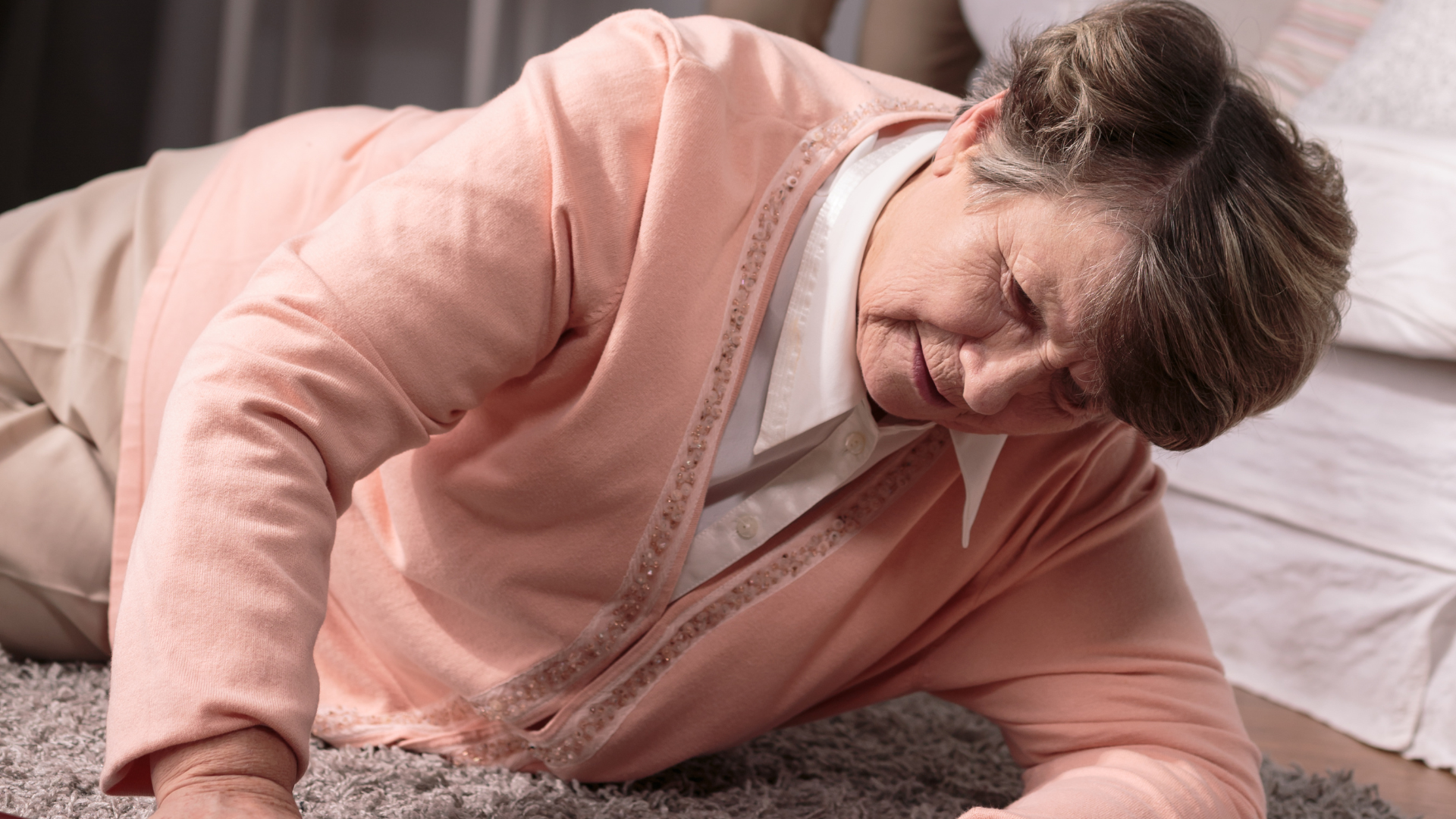
It is true that fall risk rises with age because balance, muscle strength, vision, reflexes, and health conditions may change. But falls are not guaranteed, and they should not be treated as normal.
The numbers show why prevention matters. In 2020, falls among adults aged 65 and older caused more than 36,000 deaths and led to about 3 million emergency department visits in the United States. More than one in four older adults reported falling during the year, yet fewer than half told their doctor.
The most important step is to speak up early. Tell a healthcare provider about dizziness, unsteadiness, recent falls, or fear of falling. These details can help identify treatable causes before an injury occurs.
Myth 2: Moving less will keep you safe
Some people think the safest response to fall risk is to sit down, stay indoors, and avoid activity. In reality, inactivity can weaken muscles, reduce flexibility, and make balance harder to maintain.
Regular movement helps preserve the strength and coordination needed for everyday activities. The National Institute on Aging recommends staying physically active and choosing exercises that improve strength, flexibility, and balance.
Helpful exercises include:
- Sit-to-stand movements from a sturdy chair.
- Standing heel raises for lower-leg strength.
- Standing on one leg while holding a stable surface.
- Side stepping and controlled backward walking.
Begin with 5 to 10 repetitions of each exercise, rest between sets, and gradually work toward 10 repetitions twice daily. A doctor or physical therapist can help tailor a program to individual health needs.
Myth 3: Older adults cannot rebuild strength

Many people assume that strength and flexibility decline permanently with age. While muscle mass and balance can change over time, older adults can still make meaningful improvements through consistent exercise.
Strength training, walking, stretching, yoga, and tai chi can support mobility, balance, and confidence. The goal is not to train like a younger athlete; it is to build enough strength and stability for daily life.
Before starting a new routine, discuss existing conditions such as arthritis, heart disease, osteoporosis, or recent surgery with a healthcare professional. A physical therapist can also create a safe, personalized plan.
Myth 4: Home is always the safest place
Home may feel familiar, but it is also where many falls occur. Loose rugs, dim hallways, cluttered walkways, unstable furniture, and poorly lit stairs can all create hazards.
A safer home does not mean giving up independence. It means making the environment easier to navigate.
- Remove loose rugs or secure them with non-slip backing.
- Add handrails to stairs and hallways.
- Use night lights in bedrooms, bathrooms, and hallways.
- Keep frequently used items between waist and shoulder height.
- Install grab bars near the toilet and shower.
- Use a shower chair and non-slip bath mat if balance is a concern.
Small changes can make a major difference, especially when combined with regular activity and vision care.
Myth 5: Medications never affect balance

Medications can affect everyone differently. Some prescription drugs, over-the-counter medicines, and supplements may cause dizziness, drowsiness, low blood pressure, confusion, or slower reaction times. Taking several medications can increase the chance of interactions.
Do not stop taking prescribed medication on your own. Instead, bring a complete list of medicines and supplements to each medical appointment and ask whether any may affect balance or alertness.
Report dizziness, sleepiness, blurred vision, or unsteadiness promptly. A clinician may be able to adjust the dose, change the timing, or review whether a medication is still necessary.
Myth 6: Annual eye exams are unnecessary
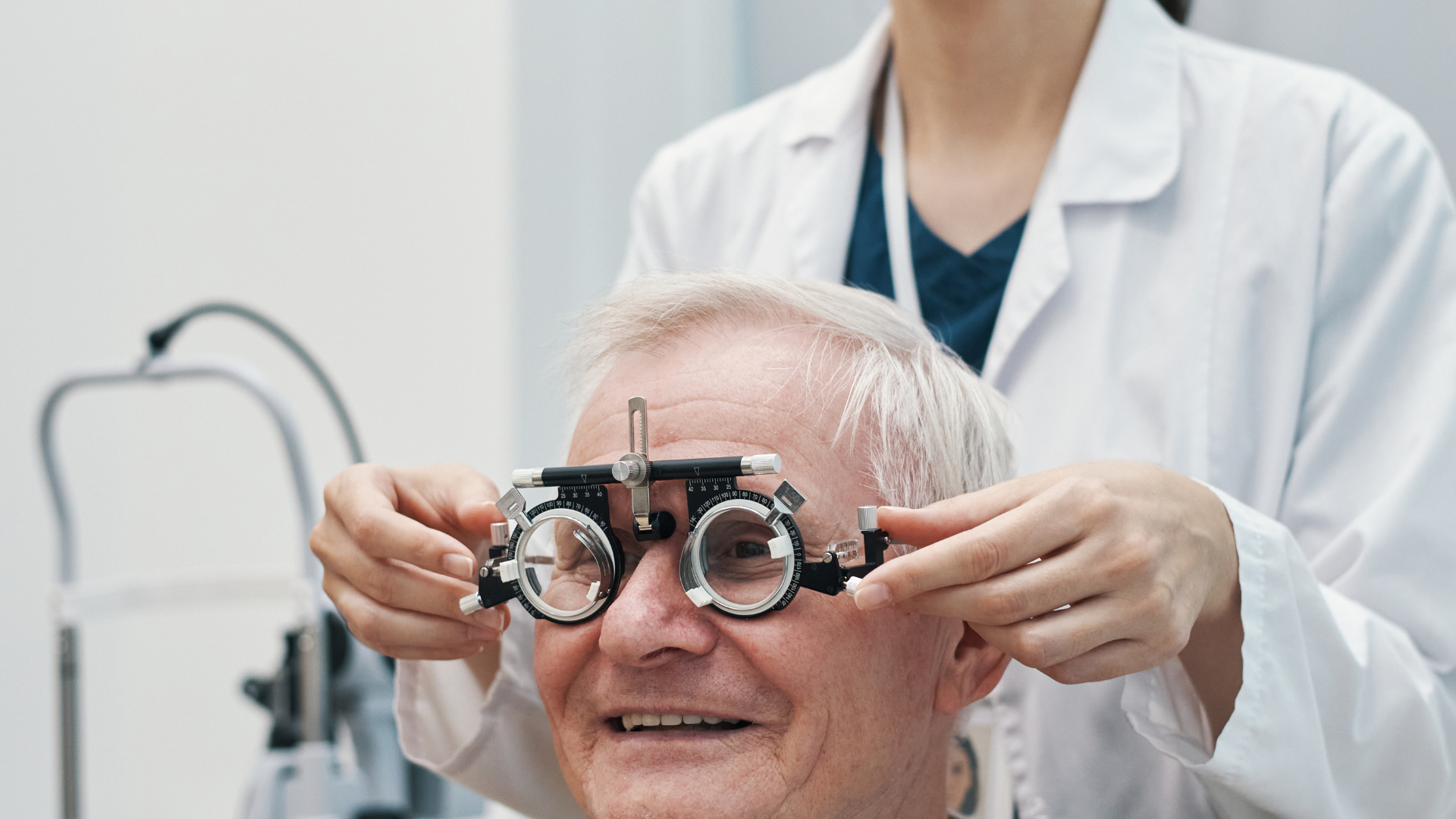
Vision changes can be gradual and easy to overlook. Poor eyesight can make it harder to judge steps, see uneven ground, notice obstacles, or adapt to changes in lighting—all of which can increase fall risk.
The CDC recommends that older adults receive a dilated eye exam at least once a year. Keeping prescriptions current and ensuring adequate home lighting can support safer movement.
If vision suddenly changes, worsens, or causes new balance problems, contact an eye care professional promptly.
Myth 7: Canes and walkers reduce independence
Mobility aids are often misunderstood as signs of dependence. In reality, a properly fitted cane or walker can improve stability, reduce fatigue, and make walking safer.
The key is correct use. A physical therapist can assess height, grip, gait, and balance, then teach the proper technique for the device. Using an aid correctly can help older adults stay active rather than limiting them.
Final thoughts
Common Misconceptions About Falling can keep people from taking action until an injury occurs. The reality is that many falls are preventable through strength and balance exercise, medication reviews, annual vision checks, safer home design, and appropriate mobility aids.
Fall prevention works best as a partnership between older adults, families, and healthcare providers. For interactive guidance on identifying household fall risks and building safer daily habits, Game of Falls offers practical resources to help seniors stay active, confident, and independent at home.
Back pain is one of the most common complaints among older adults, ranking as one of the top three reasons seniors visit their physician. While living a healthy lifestyle can help keep you active in your later years, new aches and pains often appear, especially after age 60. The good news is that most episodes […]
Looking youthful is not only about skincare products or expensive treatments. Everyday choices can affect your skin, energy, mobility, heart health, and cognitive wellbeing over time. While ageing is natural, some habits may speed up visible and internal changes more than others. The good news is that many of these habits are manageable. If you […]
A conversation with someone living with dementia may not always follow familiar patterns. They might repeat a question, lose a word halfway through a sentence, become upset by a small change in routine, or talk about a place or person from long ago as though it were today. These moments can be painful and confusing […]
Caring for a loved one with arthritis can be rewarding, but it can also be challenging. Joint pain, stiffness, swelling, and limited mobility may make everyday activities such as dressing, bathing, cooking, or walking more difficult. Caregivers can provide valuable support by helping older adults manage symptoms safely while maintaining comfort and independence. Medical treatment […]