
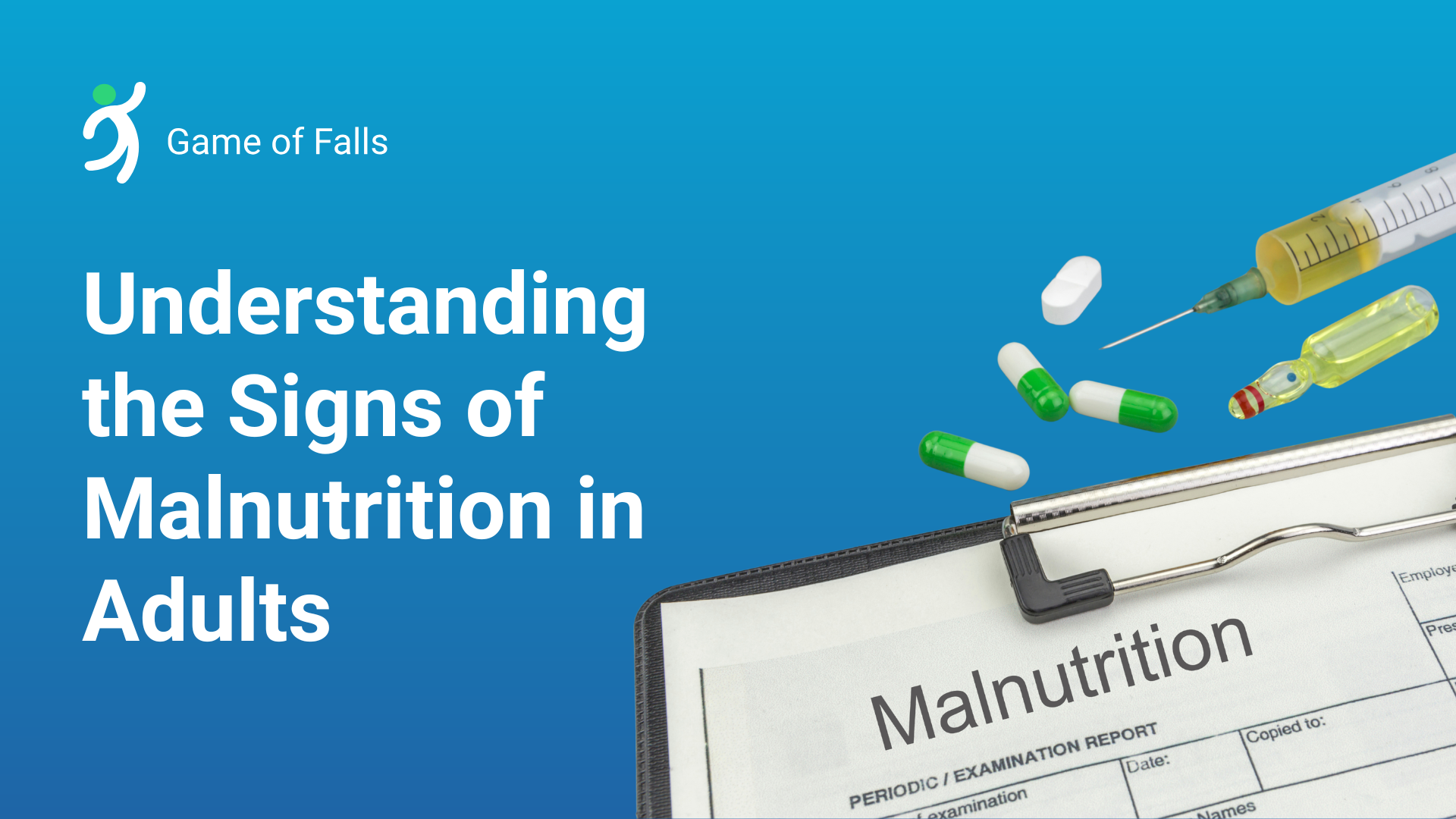
Malnutrition does not usually arrive suddenly. It builds over weeks, often during a stretch of poor appetite, recovery from an infection, or a period when shopping and cooking have become physically tiring. Bit by bit, the body falls short of the energy, protein, vitamins and minerals it needs to repair tissue, resist infection and move safely.
These changes look ordinary. Tiredness, looser clothing and a smaller appetite are easy to blame on stress or on getting older, so the problem is often well advanced before anyone names it. Understanding the signs of malnutrition in adults makes earlier recognition possible, and earlier recognition makes treatment far more effective.
What malnutrition actually means
The word covers more than hunger or visibly low weight. It describes a mismatch between what the body needs and what it receives, whether because intake is too low, absorption is impaired, or requirements have climbed during illness.
Body weight alone tells an incomplete story. A person carrying extra fat can still fall short on protein or key micronutrients, which is why unintentional weight loss is taken seriously even in someone who is overweight. NHS guidance on malnutrition notes that loss of 5% to 10% of body weight across three to six months is among the main markers.
Weight loss that deserves attention

Family members often notice the change before the person does, through rings that slip off, dentures that no longer fit, or a belt fastened at a new notch. Those small observations are worth raising with a doctor.
On the MUST screening tool used in clinical practice, unplanned weight loss above 10% in three to six months is classed as clinically significant, while 5% to 10% signals an early rise in risk.
Early warning signs to watch

Symptoms tend to cluster, and a pattern is more meaningful than any single complaint.
- Clothing, jewellery or dentures become loose without a change in diet.
- Unusual tiredness, low energy and poor concentration during routine tasks.
- Weakness in the legs, or difficulty rising from a chair unaided.
- Infections that recur, and cuts that heal more slowly than expected.
- Feeling full quickly, or losing interest in food altogether.
- Persistent feeling of cold, low mood or little motivation to cook and eat.
Muscle loss carries the greatest practical consequences for older adults. When protein and calories fall short, the body draws on muscle for fuel. Strength, walking speed and balance decline, recovery from illness slows, and the risk of a fall rises.
Appetite and eating difficulties

A shrinking appetite can start the decline or deepen it. Nausea, altered taste, early fullness, dental pain, poorly fitting dentures, a dry mouth or difficulty swallowing all make meals harder. Medication side effects, low mood and eating alone can have the same effect.
As intake drops, weakness grows, and preparing food becomes more effort than it is worth. Breaking that loop usually needs practical help rather than encouragement alone.
How malnutrition is assessed
A GP or another qualified clinician will review eating patterns, medical history and weight trends, and may apply a screening tool such as MUST. Blood tests can identify specific deficiencies in iron, vitamin B12 or vitamin D, though no single test confirms malnutrition by itself.
Reaching this stage matters. Understanding the signs of malnutrition in adults is only useful when it prompts an appointment that uncovers the underlying cause.
Steps toward recovery
Small, frequent meals are usually more manageable than a full plate. Increasing calorie density helps when portions are tiny: add olive oil or butter to vegetables, stir nut butter into porridge, include cheese, eggs and beans, and choose full-fat dairy over reduced-fat versions.
Oral nutritional supplements can bridge a gap while appetite recovers, and a registered dietitian can build a tailored plan for complex cases. Reviewing medications, treating dental problems and managing nausea matter just as much, because more food will not help if eating remains painful or unappealing.
One safety point: after a long period of very low intake, feeding someone too quickly can trigger refeeding syndrome, a serious metabolic disturbance. Severe cases need supervised nutritional support rather than home improvisation.
Frequently asked questions
Can someone be overweight and still malnourished? Yes. Weight reflects energy balance, not nutrient adequacy, so a person can carry excess fat while lacking protein, vitamins or minerals.
How quickly does malnutrition develop? It varies. Poor intake during illness can cause measurable decline within weeks, which is why a short period of eating very little deserves attention.
When to seek help

Book an appointment if weight is falling without explanation, appetite has faded, or strength is visibly declining. Seek urgent care for severe weakness, confusion, fainting, marked dehydration, or choking during eating.
For practical help with safer daily routines, home safety and staying independent, Game of Falls offers an interactive app and resources built for older adults and their families.
Falls are a leading health concern for adults over 65, but they are not an unavoidable part of aging. Many people avoid activity, hide symptoms, or delay seeking help because they believe falls are simply something to accept. These beliefs can increase risk instead of reducing it. Understanding the facts about fall prevention can help […]
Back pain is one of the most common complaints among older adults, ranking as one of the top three reasons seniors visit their physician. While living a healthy lifestyle can help keep you active in your later years, new aches and pains often appear, especially after age 60. The good news is that most episodes […]

Looking youthful is not only about skincare products or expensive treatments. Everyday choices can affect your skin, energy, mobility, heart health, and cognitive wellbeing over time. While ageing is natural, some habits may speed up visible and internal changes more than others. The good news is that many of these habits are manageable. If you […]
A conversation with someone living with dementia may not always follow familiar patterns. They might repeat a question, lose a word halfway through a sentence, become upset by a small change in routine, or talk about a place or person from long ago as though it were today. These moments can be painful and confusing […]