
Looking youthful is not only about skincare products or expensive treatments. Everyday choices can affect your skin, energy, mobility, heart health, and cognitive wellbeing over time. While ageing is natural, some habits may speed up visible and internal changes more than others.
The good news is that many of these habits are manageable. If you want to protect your long-term health as well as your appearance, focus on small, consistent actions that support your body every day.
1. Skipping sleep
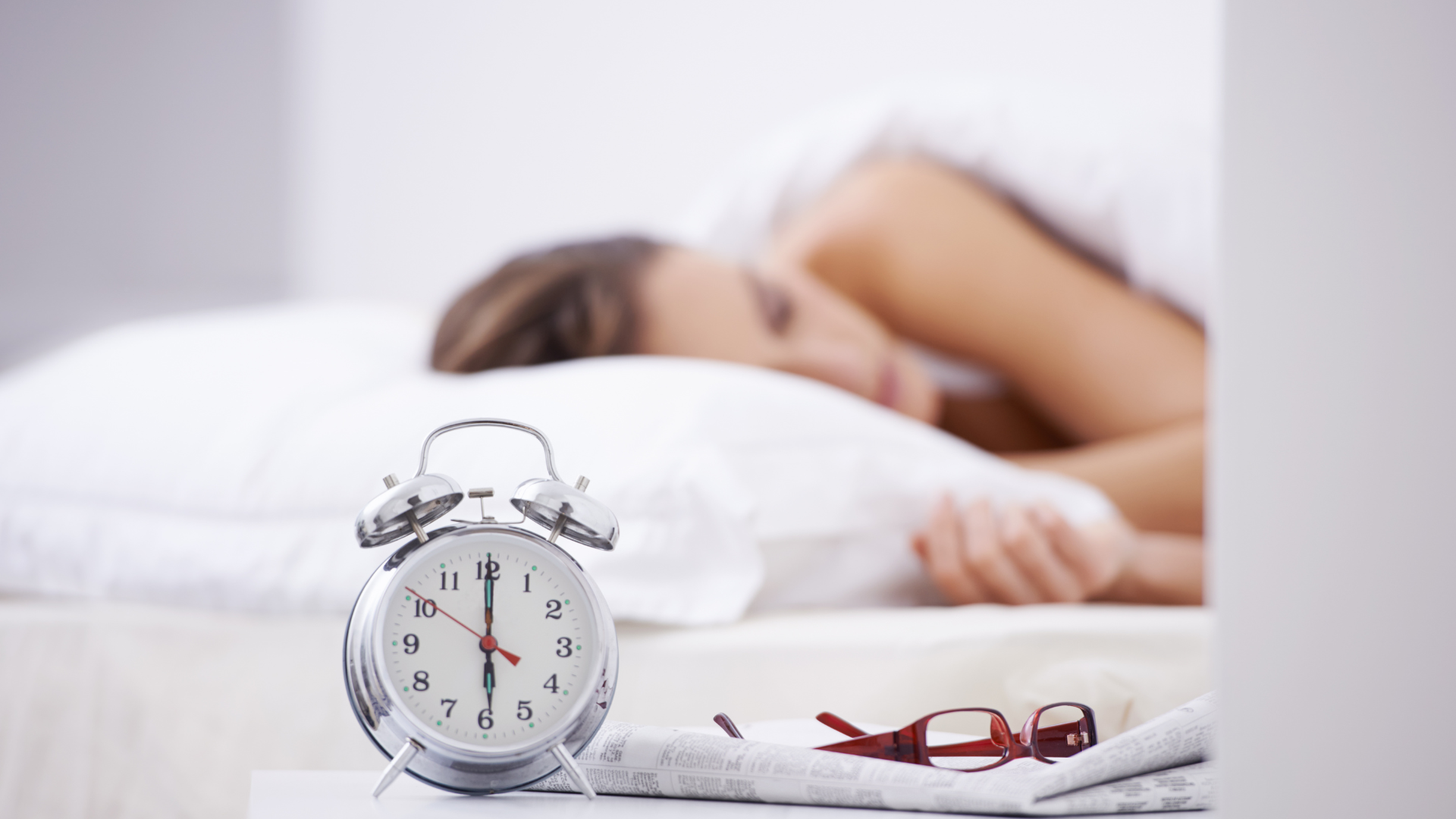
Sleep is one of the body’s most important recovery periods. During the night, the body supports tissue repair, hormone regulation, immune function, and healthy skin. Regularly missing sleep can leave the skin looking dull and may make fine lines more noticeable over time.
Most adults need 7 to 9 hours of sleep each night. A consistent bedtime and wake-up time can help regulate the body’s sleep-wake rhythm. Creating a dark, quiet, and comfortably cool bedroom can also make falling asleep easier.
Screens can interfere with a restful bedtime routine. Mayo Clinic advice recommends turning off phones, televisions, tablets, and other screens at least one hour before bed. Consider replacing late-night scrolling with reading, gentle stretching, calming music, or another relaxing screen-free activity.
2. Too much unprotected sun

Excessive sun exposure should be high on the list of habits to avoid. UV radiation contributes to the breakdown of collagen and elastin, the fibres that help keep skin firm, smooth, and resilient. Repeated exposure can lead to wrinkles, uneven pigmentation, rough texture, and reduced elasticity.
Research often suggests that up to 80% of visible facial aging may be associated with sun exposure. The effects are cumulative, meaning small amounts of unprotected exposure can add up over the years.
Sun-protection habits include:
- Apply broad-spectrum sunscreen with SPF 30 or higher every morning.
- Reapply sunscreen every two hours when outside and after swimming or heavy sweating.
- Wear a wide-brimmed hat, UV-protective clothing, and sunglasses.
- Seek shade, especially during the strongest daylight hours.
These actions protect against premature skin ageing and help reduce the long-term health risks associated with UV exposure.
3. Repeated squinting and eye strain

Squinting is a normal reaction to bright light, poor lighting, or difficulty seeing clearly. However, repeated facial movements can contribute to lines around the eyes and forehead over time. As collagen and elastin naturally decrease with age, these expression lines may become more noticeable.
To reduce unnecessary squinting, schedule routine eye examinations and use prescription glasses or contact lenses when needed. Sunglasses that block 100% of UVA and UVB rays can protect the eyes from bright sunlight while reducing the instinct to squint.
Screen habits matter too. Adjust screen brightness to match the surrounding light, increase text size when needed, and take regular breaks. A practical guideline is the 20-20-20 rule: every 20 minutes, look at something 20 feet away for 20 seconds.
4. Ignoring high blood pressure
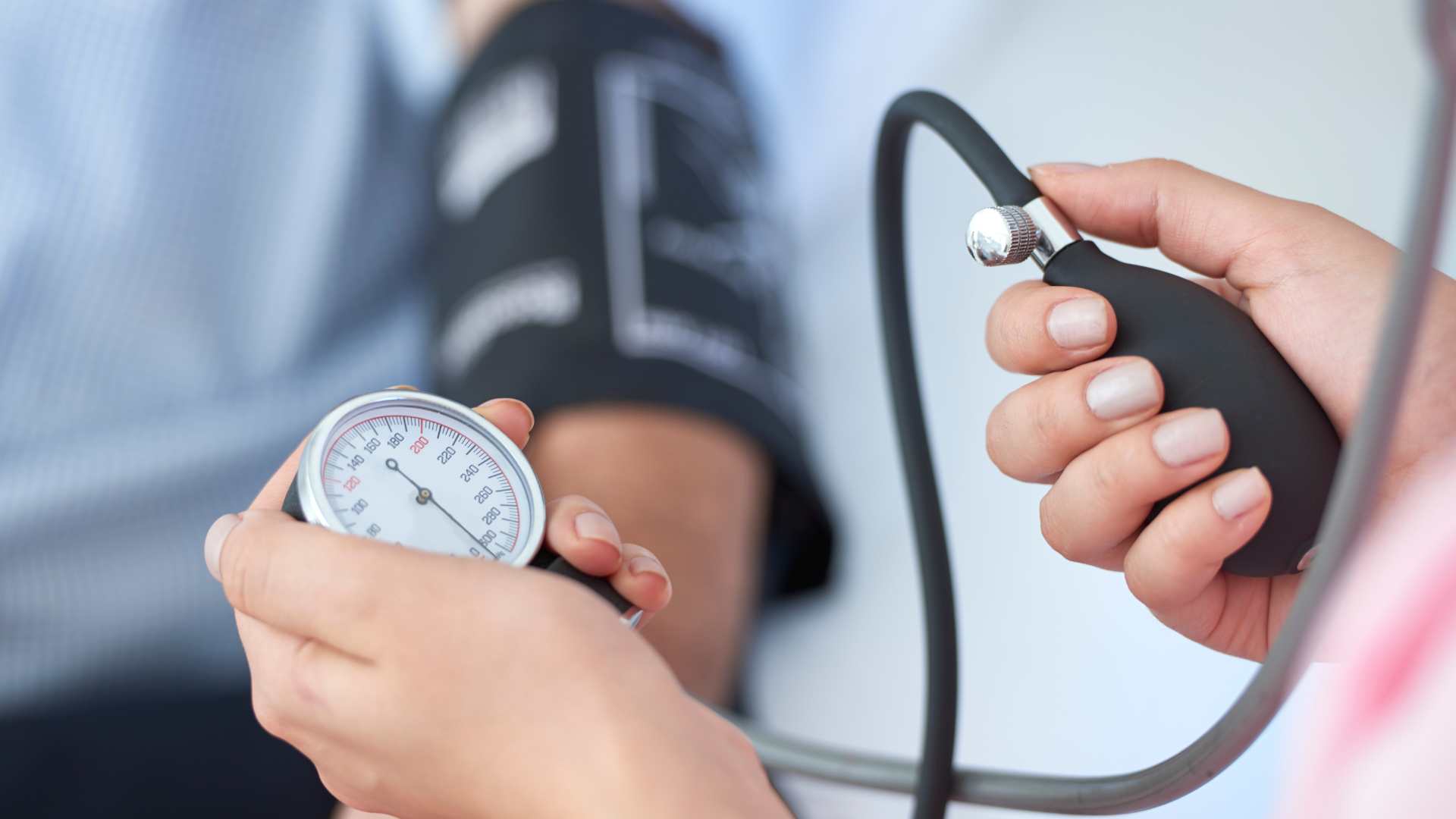
High blood pressure is often called a “silent” condition because many people have no obvious symptoms. Yet over time, it can damage blood vessels in the heart, kidneys, eyes, and brain. This makes it an important factor in healthy aging.
Evidence from the National Institutes of Health indicates that high blood pressure is a modifiable risk factor for cognitive impairment and dementia. A large analysis cited by the National Institute on Aging found that treatment for high blood pressure was associated with a 12% lower risk of dementia and a 16% lower risk of Alzheimer’s disease.
Check your blood pressure regularly and discuss abnormal readings with a healthcare professional. Helpful habits include regular physical activity, a diet rich in fruits and vegetables, lower sodium intake, stress management, limiting alcohol, and taking prescribed medication consistently.
Make youthfulness a health goal
Want to Stay Youthful? Avoid These 4 Common Mistakes, and you will be supporting more than your appearance. Quality sleep, sun protection, healthy vision habits, and blood-pressure management may also help protect energy, brain health, and mobility.
Avoiding smoking and limiting added sugar can further support healthy aging. Smoking accelerates visible skin aging and affects circulation, while a diet high in added sugar may make it harder to maintain a healthy weight and stable blood sugar levels.
These lifestyle habits can support overall vitality and mobility as you age. Learn more about staying active and safe at home with Game of Falls, an interactive app that helps seniors recognise household fall risks and build safer daily habits.
Falls are a leading health concern for adults over 65, but they are not an unavoidable part of aging. Many people avoid activity, hide symptoms, or delay seeking help because they believe falls are simply something to accept. These beliefs can increase risk instead of reducing it. Understanding the facts about fall prevention can help […]
Back pain is one of the most common complaints among older adults, ranking as one of the top three reasons seniors visit their physician. While living a healthy lifestyle can help keep you active in your later years, new aches and pains often appear, especially after age 60. The good news is that most episodes […]
A conversation with someone living with dementia may not always follow familiar patterns. They might repeat a question, lose a word halfway through a sentence, become upset by a small change in routine, or talk about a place or person from long ago as though it were today. These moments can be painful and confusing […]
Caring for a loved one with arthritis can be rewarding, but it can also be challenging. Joint pain, stiffness, swelling, and limited mobility may make everyday activities such as dressing, bathing, cooking, or walking more difficult. Caregivers can provide valuable support by helping older adults manage symptoms safely while maintaining comfort and independence. Medical treatment […]