
Caring for a loved one with arthritis can be rewarding, but it can also be challenging. Joint pain, stiffness, swelling, and limited mobility may make everyday activities such as dressing, bathing, cooking, or walking more difficult. Caregivers can provide valuable support by helping older adults manage symptoms safely while maintaining comfort and independence.
Medical treatment should always remain part of an arthritis care plan. However, practical steps at home can make daily routines easier and provide additional comfort between appointments. These 3 Caregiver Tips for Alleviating Arthritis Pain focus on safe temperature therapy, gentle movement, and balanced nutrition.
1. Use heat and cold safely
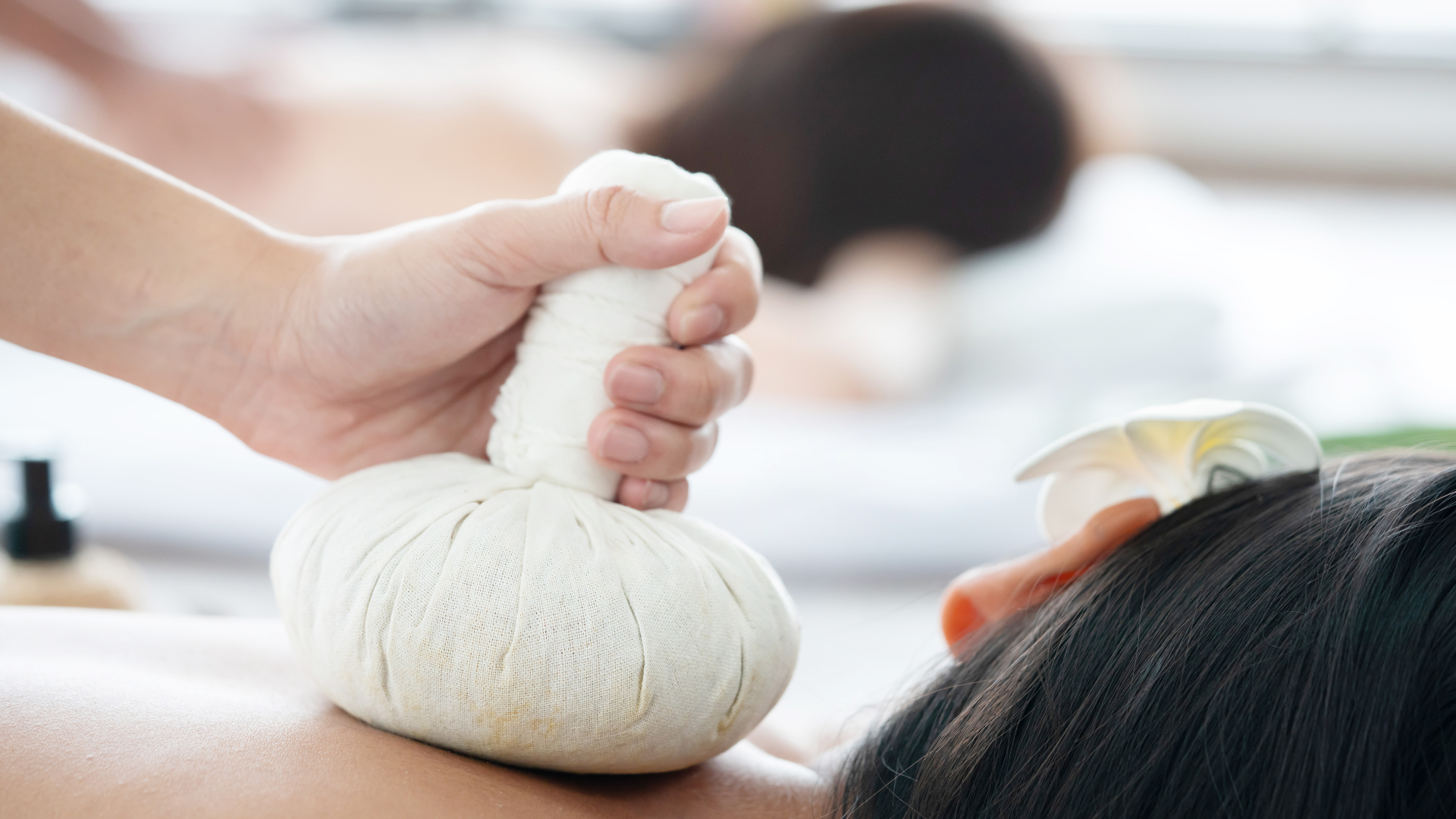
Heat and cold therapy may provide temporary relief, but each method is better suited to different symptoms.
Heat may help relax tight muscles and ease joint stiffness. A warm bath, heated towel, or heating pad can be especially helpful in the morning or before gentle movement. Use warmth for approximately 15 to 20 minutes, making sure it feels comfortably warm rather than hot. Place a towel between a heating pad and the skin, and check the area regularly to reduce the risk of burns.
Cold therapy may be more appropriate for a joint that is suddenly swollen, hot, or sharply painful. Wrap an ice pack in a towel and apply it for about 10 to 15 minutes. Never place ice directly on the skin because it can cause tissue damage.
Do not use heat over an acutely inflamed joint unless a healthcare professional recommends it. People with poor circulation, reduced sensation, or neuropathy should consult a clinician before using heat or cold therapy.
2. Encourage gentle movement

Rest may be useful during a severe flare-up, but too much inactivity can increase stiffness, muscle weakness, and difficulty with daily tasks. Gentle physical activity can help maintain flexibility, strength, balance, and everyday function. The CDC recommends physical activity as part of arthritis management because it can reduce pain and improve function.
Encourage activities that match the person’s ability and medical guidance. Suitable options may include walking on a level surface, swimming, water aerobics, stationary cycling, tai chi, or gentle stretching. A physiotherapist can recommend appropriate exercises and demonstrate how a caregiver can provide support without pulling or forcing a joint.
Range-of-motion exercises should be slow and comfortable. Stop if the person develops sharp pain, dizziness, unusual swelling, or a significant increase in symptoms. Pacing is also important. Help your loved one divide demanding tasks into shorter sessions and take regular breaks. For example, folding laundry for 10 minutes may be easier than completing the entire task without resting.
3. Support balanced nutrition

There is no single diet that cures arthritis, but nutritious food choices can support overall health, energy, and healthy weight management. Maintaining a healthy weight may reduce pressure on weight-bearing joints, including the knees, hips, and ankles.
Caregivers can encourage a balanced eating pattern that includes a variety of whole foods. Omega-3 fatty acids found in fish may help some people with inflammatory arthritis. Vegetables, fruit, nuts, whole grains, and olive oil can also provide fibre, vitamins, minerals, and healthy fats. The Arthritis Foundation recommends an overall healthy eating pattern rather than relying on a single “miracle” food.
A nutritious meal plan can include:
- Fatty fish such as salmon, sardines, or mackerel.
- Berries and other colourful fruits.
- Leafy greens such as spinach and kale.
- Beans, oats, brown rice, and other whole grains.
- Walnuts, flaxseeds, and olive oil.
Try to limit frequent consumption of sugary drinks, refined carbohydrates, highly processed snacks, fried foods, and foods high in saturated fat. Dietary needs vary, so people with diabetes, kidney disease, food allergies, or medication-related restrictions should consult a doctor or registered dietitian.
Know when to seek help
These 3 Caregiver Tips for Alleviating Arthritis Pain can support comfort, but they should not replace professional assessment. Contact a healthcare provider if pain suddenly becomes severe, swelling persists, a joint becomes very hot or red, fever develops, or movement becomes significantly limited.
Caregivers should keep communication open with the person’s healthcare team and observe which strategies are helpful. With patience, safe comfort measures, gentle movement, and nourishing meals, Game of Falls can help caregivers support safer, more comfortable, and more independent daily living.

Looking youthful is not only about skincare products or expensive treatments. Everyday choices can affect your skin, energy, mobility, heart health, and cognitive wellbeing over time. While ageing is natural, some habits may speed up visible and internal changes more than others. The good news is that many of these habits are manageable. If you […]

A conversation with someone living with dementia may not always follow familiar patterns. They might repeat a question, lose a word halfway through a sentence, become upset by a small change in routine, or talk about a place or person from long ago as though it were today. These moments can be painful and confusing […]

A healthy diet begins with the daily choices you make. Feeding your body the right nutrients and maintaining a healthy weight can help you stay active and independent as you age. Eating well can also reduce time and money spent at the doctor, especially if you are managing chronic conditions such as diabetes or heart […]
When diagnosed with osteoporosis, many people freeze in fear. They imagine themselves wrapped in bubble wrap, afraid that any movement might lead to a fracture. But there is a smarter and more empowering approach to managing this condition while ageing gracefully. Understanding osteoporosis is the first step toward taking control of your bone health. This […]