
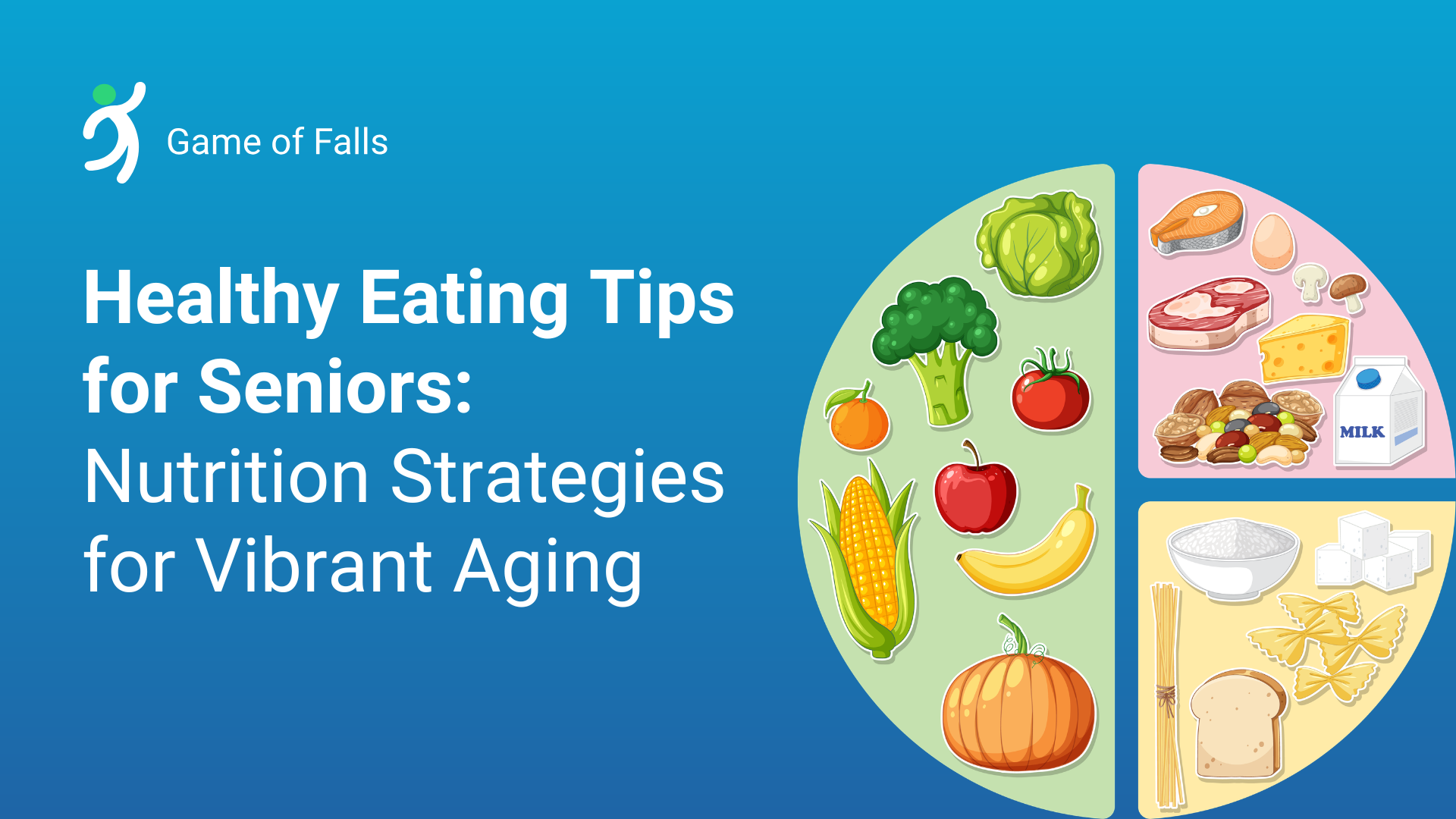
A healthy diet begins with the daily choices you make. Feeding your body the right nutrients and maintaining a healthy weight can help you stay active and independent as you age. Eating well can also reduce time and money spent at the doctor, especially if you are managing chronic conditions such as diabetes or heart disease.
One important thing to remember is that healthy eating changes with age. A 20-year-old body and a 60-year-old body do not have the same nutritional needs. As metabolism slows, older adults usually need fewer calories, but they often need more of certain nutrients. That is why every meal should deliver as much nutritional value as possible.
Understanding changing nutritional needs
As people age, their bodies require different forms of support. Calcium becomes especially important for bone health, vitamin D helps the body absorb calcium, vitamin B12 supports nerve function, and potassium plays a role in heart health. At the same time, reduced physical activity and a slower metabolism mean calorie needs often decrease.
This balance does not have to feel overwhelming. The goal is to make smart, informed choices that support health without leading to excess weight gain.
What a healthy plate looks like

The U.S. Department of Agriculture created MyPlate, a simple visual guide that shows how the five food groups should appear on your plate. It is an easy way to think about balanced eating throughout the day.
A healthy meal should include:
- Lean protein such as chicken, fish, eggs, or beans.
- Colorful fruits and vegetables in orange, red, green, and purple.
- Whole grains like brown rice, quinoa, or whole wheat pasta.
- Low-fat dairy products or fortified alternatives such as milk, yogurt, or cheese substitutes.
The healthiest foods are usually whole foods found around the perimeter of the grocery store, especially in the produce, meat, and dairy sections. When buying processed foods, it helps to read Nutrition Facts labels carefully so you can choose items lower in fat, added sugar, and sodium.
Smart nutrition strategies
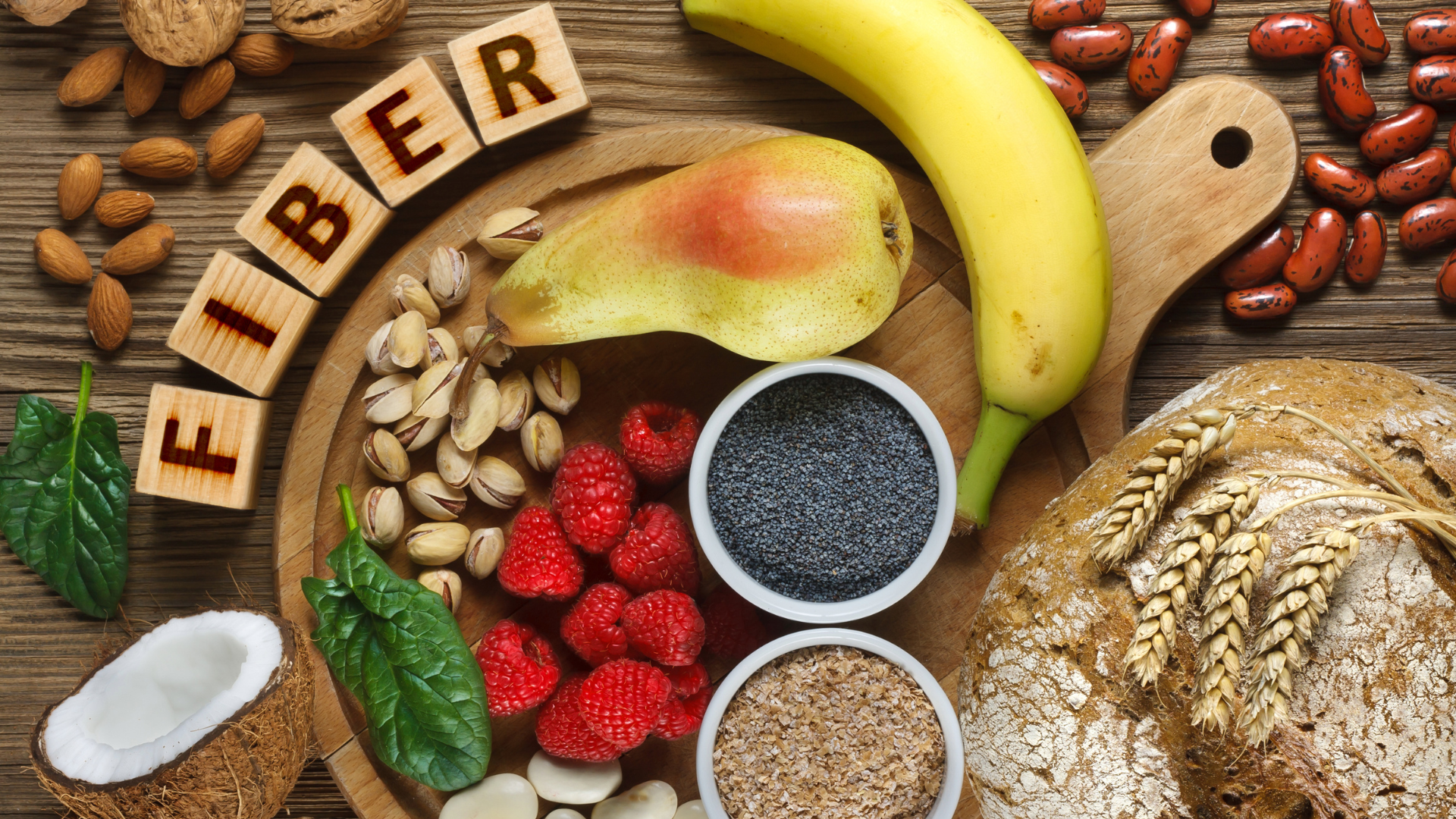
Eating a variety of foods helps ensure that your body gets the nutrients it needs. Focus on foods that are high in fiber and low in sodium, since both are especially important for older adults. Fiber supports digestion and can help maintain healthy cholesterol levels.
As you build better meals, pay attention to key nutrients such as:
- Calcium for bone strength.
- Vitamin D for calcium absorption and immune support.
- Vitamin B12 for energy and cognitive health.
- Potassium for blood pressure regulation.
Portion control also matters. Eating the right amount for your age and activity level can help maintain a healthy weight without making meals feel restrictive. Smaller portions often work better for older adults because they align more closely with changing calorie needs.
Hydration matters too
Water is an essential nutrient, yet it is easy to overlook. Older adults may not always feel thirsty, so it helps to drink small amounts of fluid consistently throughout the day. Water should be the main choice whenever possible.
Limit sugary drinks and beverages high in sodium unless your doctor advises otherwise. Staying hydrated can also support energy, focus, and overall comfort during the day.
Eating well on a budget
Healthy eating does not have to be expensive. Programs such as SNAP can help older adults afford nutritious food when needed. In addition, benefit screening tools can help you check whether you qualify for assistance.
Convenience can also support better eating habits. Grocery delivery services and meal kit services make it easier to access food and prepare meals at home. Some app-based platforms also accept SNAP EBT payments for eligible food items, which can make healthy choices even more accessible.
Building lasting habits
Healthy eating for seniors works best when it is simple, realistic, and consistent. You do not need to overhaul your diet overnight. Small changes, such as adding one more vegetable to dinner or choosing whole grain bread instead of white bread, can make a meaningful difference over time.
Good nutrition also works best when combined with physical activity, social connection, and other healthy ageing habits. With steady choices and practical planning, you can support energy, independence, and long-term wellness. For additional wellness-focused guidance, Game of Falls reminds readers that small daily habits can add up to a healthier future.

Looking youthful is not only about skincare products or expensive treatments. Everyday choices can affect your skin, energy, mobility, heart health, and cognitive wellbeing over time. While ageing is natural, some habits may speed up visible and internal changes more than others. The good news is that many of these habits are manageable. If you […]
A conversation with someone living with dementia may not always follow familiar patterns. They might repeat a question, lose a word halfway through a sentence, become upset by a small change in routine, or talk about a place or person from long ago as though it were today. These moments can be painful and confusing […]
Caring for a loved one with arthritis can be rewarding, but it can also be challenging. Joint pain, stiffness, swelling, and limited mobility may make everyday activities such as dressing, bathing, cooking, or walking more difficult. Caregivers can provide valuable support by helping older adults manage symptoms safely while maintaining comfort and independence. Medical treatment […]
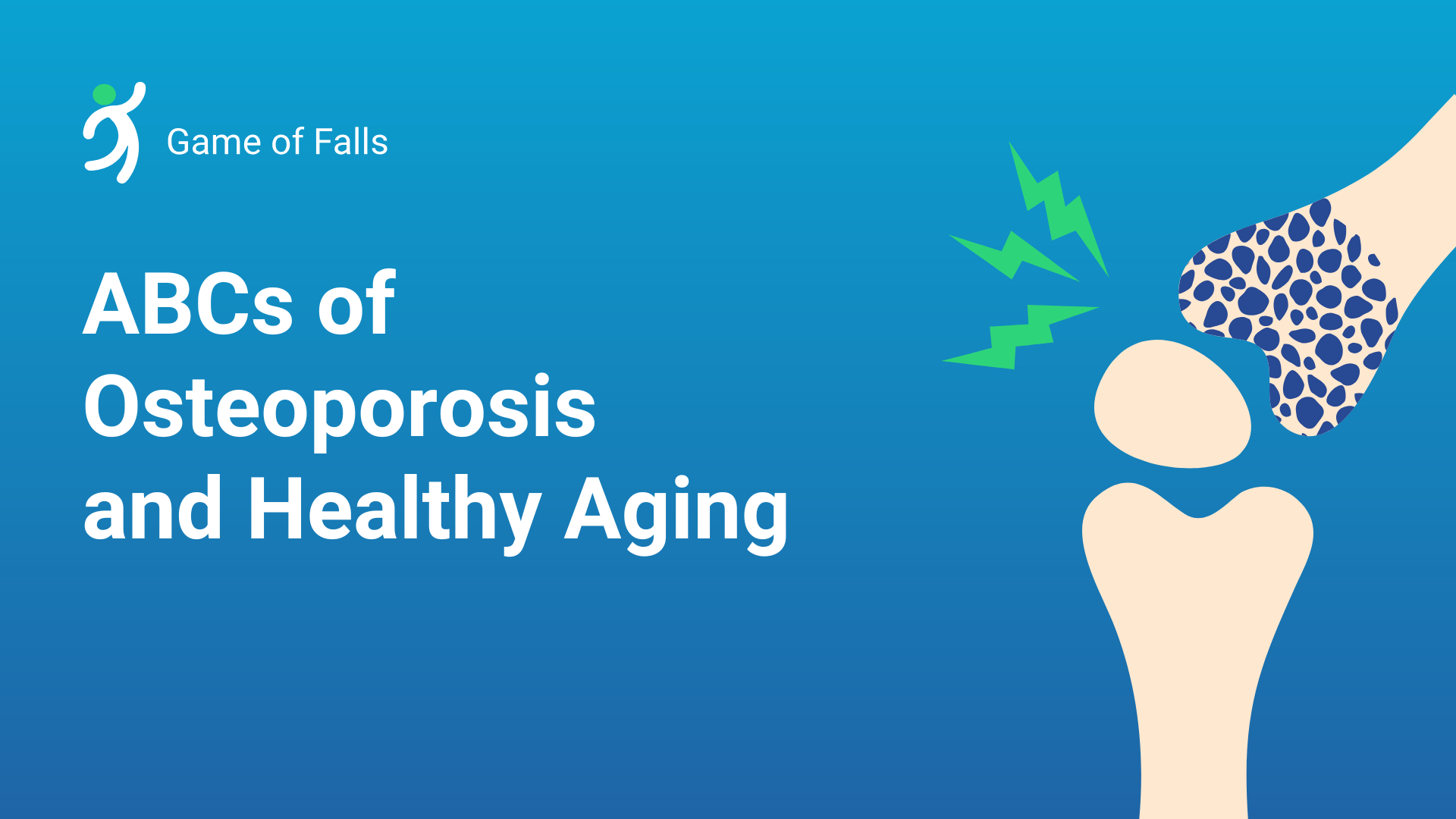
When diagnosed with osteoporosis, many people freeze in fear. They imagine themselves wrapped in bubble wrap, afraid that any movement might lead to a fracture. But there is a smarter and more empowering approach to managing this condition while ageing gracefully. Understanding osteoporosis is the first step toward taking control of your bone health. This […]