
When people think about bone health, dairy and leafy greens usually come to mind first. But some of the best foods for stronger bones may already be in your kitchen. If you want to support healthy aging and nutrition, adding a few unexpected foods to your routine can make a real difference. The goal is not perfection – it is building small habits that help protect bone strength over time.
Prunes: A Small Food with Big Bone Benefits
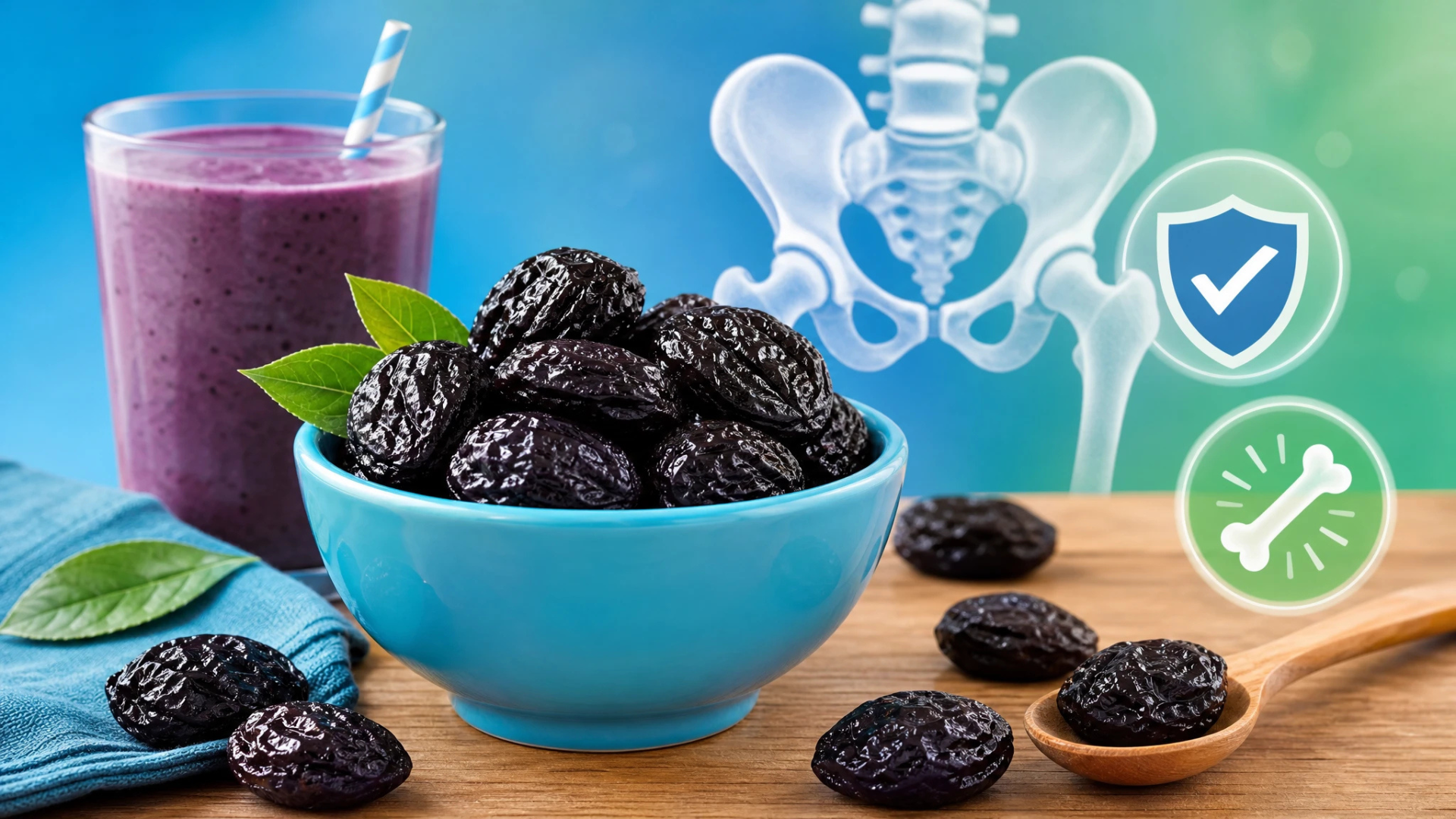
Prunes are best known for helping digestion, but they may also support bone health. Research has found that women who ate five or six prunes a day preserved hip bone mineral density better than those who did not. That matters because bone loss becomes more common after menopause, when the body naturally loses bone more quickly. Prunes may help by lowering inflammation linked to bone breakdown.
The best part is that prunes are easy to use. You can eat them as a snack, chop them into oatmeal, or blend them into a smoothie. They are sweet, simple, and surprisingly useful for bone support.
Dried Figs Add Calcium Naturally
Dried figs are another easy food that can help strengthen bones. Two figs provide about 65 milligrams of calcium, which may not sound like a lot, but every source counts when you are trying to meet your daily needs. They also bring a naturally sweet flavor, so they work well in both snacks and meals.
Try slicing figs over yogurt, adding them to oats, or pairing them with cheese for a quick snack. They are a small upgrade that can make your diet a little more bone-friendly without much effort.
Canned Salmon Brings More Than Protein
Canned salmon is one of the most underrated foods for bone health. A3-ounce serving can provide around 180 milligrams of calcium because it contains soft, edible bones. That makes it very different from fresh salmon fillets, which do not offer nearly as much calcium.
It is also a practical food. You can mix canned salmon with a little mayonnaise for sandwiches, stir it into salads, or use it for patties and dips. It is budget-friendly, convenient, and packed with nutrients that support strong bones.
Plant-Based Foods That Support Bones
If you prefer plant-based options, there are plenty of good choices. Calcium-fortified plant milks can provide about 350 to 400 milligrams of calcium per cup, depending on the brand. Tofu, almonds, almond butter, and canned white beans also contribute calcium and protein, both of which matter for bone strength.
- Tofu: about 430 milligrams per 4-ounce serving.
- Almonds: about 75 milligrams per quarter-cup serving.
- Almond butter: about 111 milligrams per 2-tablespoon serving.
- Canned white beans: about 190 milligrams per cup.
These foods are easy to add to everyday meals, which makes them especially helpful for long-term bone health.
Why Vitamin D Matters Too
Calcium is important, but it does not work alone. Your body also needs vitamin D to absorb calcium properly. That is why these two nutrients are often discussed together when talking about bone health. For women under 50, the daily calcium target is 1,000 milligrams. For women 51 and older, it rises to 1,200 milligrams. Vitamin D needs are also important, especially as you age.
You can get vitamin D from food, fortified products, sunlight, or supplements if your doctor recommends them. When calcium and vitamin D work together, they give your bones a much better chance of staying strong.
Bone Health Also Depends on Movement
Food is only part of the picture. Low-impact exercise can also help keep bones strong by encouraging bone remodeling. Brisk walking, stair climbing, gentle aerobics, and elliptical training are all useful options. These activities support bones without putting too much stress on joints, which makes them a smart choice for many adults.
Women’s bone density usually peaks around age 30 and then slowly declines over time, especially after menopause. That is why habits built earlier in life can pay off later.
When to Check Your Bone Density
Bone loss often happens quietly, without obvious symptoms. That is why screening matters. A DEXA scan can measure bone density and help detect osteoporosis before a fracture occurs. Women 65 and older should talk to their healthcare provider about screening, and younger women with risk factors such as low body weight or a family history of fractures may need it earlier.
Final Thought
Strong bones are built through daily habits, not quick fixes. Adding prunes, figs, canned salmon, tofu, almonds, and beans to your meals can help support bone health in a simple, realistic way. Pair those foods with enough vitamin D, regular movement, and proper screening when needed. That is the kind of practical, long-term approach to wellness that Game of Falls supports.
Back pain is one of the most common complaints among older adults, ranking as one of the top three reasons seniors visit their physician. While living a healthy lifestyle can help keep you active in your later years, new aches and pains often appear, especially after age 60. The good news is that most episodes […]

Looking youthful is not only about skincare products or expensive treatments. Everyday choices can affect your skin, energy, mobility, heart health, and cognitive wellbeing over time. While ageing is natural, some habits may speed up visible and internal changes more than others. The good news is that many of these habits are manageable. If you […]
A conversation with someone living with dementia may not always follow familiar patterns. They might repeat a question, lose a word halfway through a sentence, become upset by a small change in routine, or talk about a place or person from long ago as though it were today. These moments can be painful and confusing […]
Caring for a loved one with arthritis can be rewarding, but it can also be challenging. Joint pain, stiffness, swelling, and limited mobility may make everyday activities such as dressing, bathing, cooking, or walking more difficult. Caregivers can provide valuable support by helping older adults manage symptoms safely while maintaining comfort and independence. Medical treatment […]