
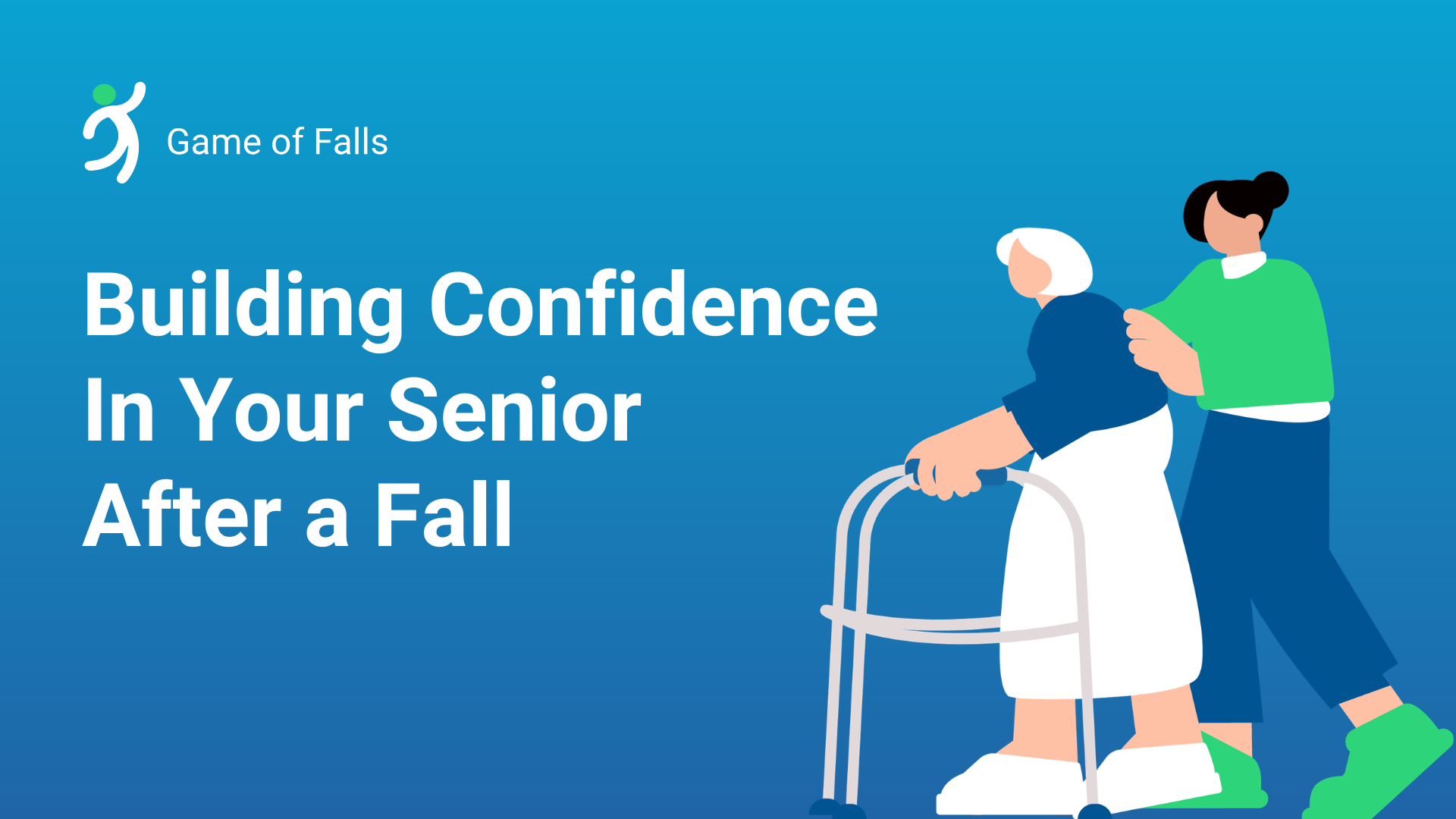
A fall can shake a senior’s world—physically and emotionally. For many, the real bruise is not just on the body but on the spirit. Imagine confidence as a fragile vase; one slip can crack it, and even if the pieces are glued back together, it takes time and care to restore its strength. Helping a loved one recover after a fall isn’t just about healing bones—it’s about rebuilding the trust they once had in their own movements and surroundings.
Understanding Post-Fall Anxiety
When a senior falls, the fear of falling again often lingers, like a shadow that follows them everywhere. This is known as post-fall anxiety. It’s not just a fleeting worry—it’s a persistent dread that can cause your loved one to avoid walking, socializing, or even moving about the house. Over time, this avoidance can lead to muscle weakness, loneliness, and a greater risk of falling again. It’s a vicious cycle, like being stuck in quicksand: the more you struggle alone, the deeper you sink.
Why Confidence Matters
Research shows that a senior’s confidence—specifically, “balance confidence”—is a powerful predictor of recovery after a fall. Seniors who believe in their ability to move safely are more likely to stay active and regain independence. Those who lose confidence may become overly cautious, moving less and reducing their strength and balance further.
Steps to Rebuild Confidence After a Fall
Let’s break down some practical, compassionate ways you can help your loved one regain their footing—literally and figuratively.
Open Up the Conversation
Start by simply talking. Ask your loved one about their fears and listen without judgment. Honest conversations can relieve some of the emotional weight. Avoid brushing off their worries; instead, validate their feelings. “It’s normal to feel scared after a fall. Let’s work through this together,” can mean more than you think.
Consult Healthcare Professionals
After a fall, schedule a visit with a doctor. Sometimes, physical or occupational therapy is recommended. Therapists can teach exercises that strengthen muscles, improve balance, and show safe ways to move or get up from a fall. This professional guidance can quickly turn fear into empowerment.
Make the Home Safer
A safer home is a more confident home. Remove loose rugs, tape down cords, install grab bars in the bathroom, and keep walkways clear. Think of it like removing speed bumps from a road—every obstacle you clear makes the journey smoother and less intimidating.
Encourage Gentle Exercise
Physical activity is key to breaking the cycle of fear and weakness. Start small—gentle walks, chair exercises, or tai chi. Exercise helps rebuild strength, balance, and trust in their own abilities. It’s like learning to ride a bike again: the more you practice, the steadier you get.
Use Support Tools Wisely
Simple tools like canes, walkers, or emergency alert buttons can be a safety net, not a crutch. Having these devices nearby reassures seniors that help is always within reach, which can boost confidence when moving around the house or going outside.
Foster Social Connections
Isolation can deepen post-fall anxiety. Encourage your loved one to stay in touch with friends and family—whether in person, over the phone, or online. Social support is like a bridge over troubled water; it keeps them connected to the world outside their fears.
Address Emotional Health
Sometimes, post-fall anxiety grows into depression or chronic worry. If you notice signs—persistent sadness, irritability, or withdrawal—consider counseling or support groups. Mental health care is as vital as physical care in recovery.
Breaking the Cycle
Confidence grows in small steps. Celebrate even minor victories—a walk to the mailbox, standing up without help, or joining a group activity. Each success is a brick in rebuilding their self-assurance.
Remember, recovery is a journey, not a sprint. Patience, encouragement, and teamwork are your best tools. By addressing both physical and emotional needs, you help your loved one break free from the quicksand of post-fall anxiety and step back into a life full of movement and meaning.
Looking youthful is not only about skincare products or expensive treatments. Everyday choices can affect your skin, energy, mobility, heart health, and cognitive wellbeing over time. While ageing is natural, some habits may speed up visible and internal changes more than others. The good news is that many of these habits are manageable. If you […]
A conversation with someone living with dementia may not always follow familiar patterns. They might repeat a question, lose a word halfway through a sentence, become upset by a small change in routine, or talk about a place or person from long ago as though it were today. These moments can be painful and confusing […]
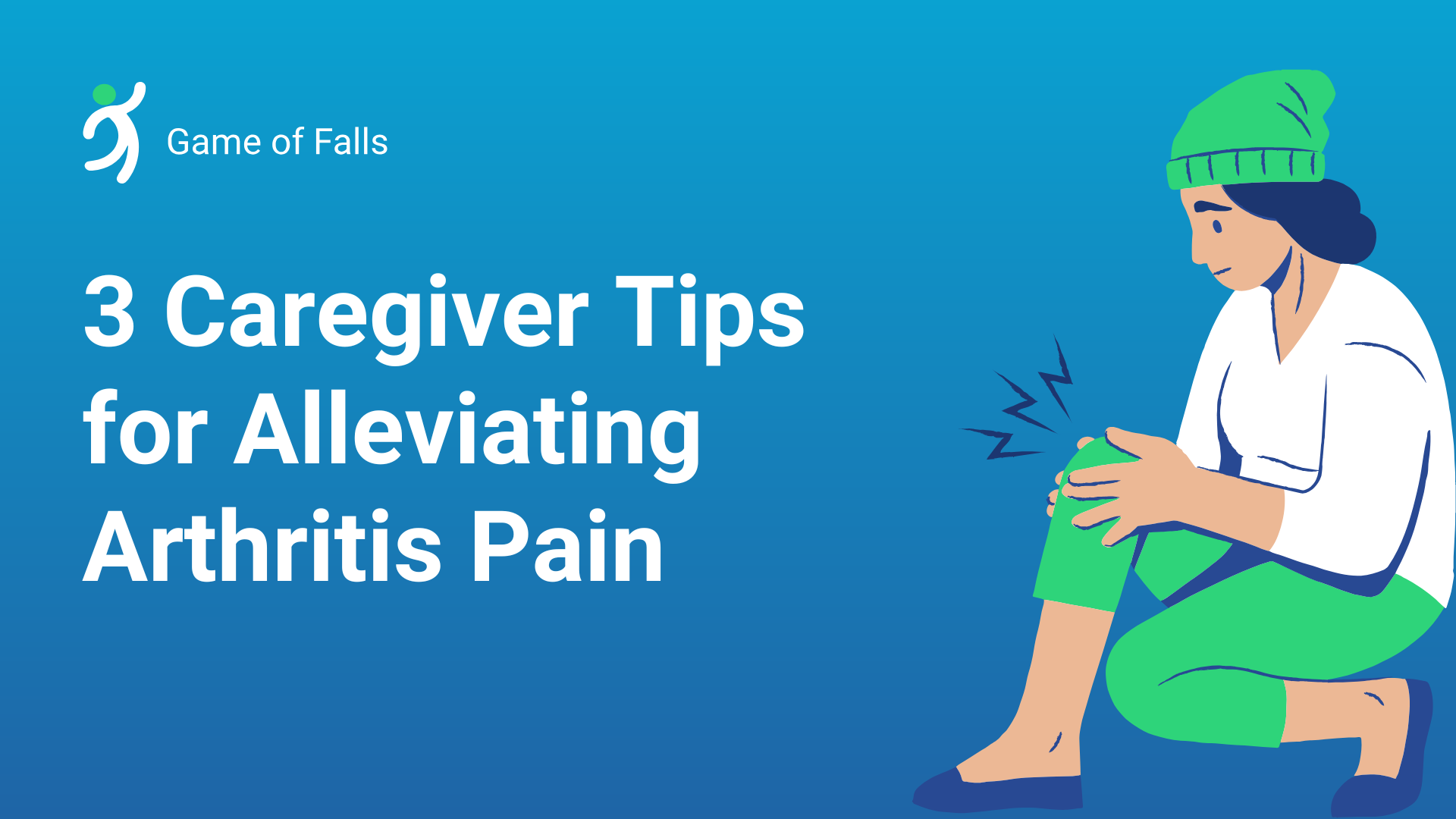
Caring for a loved one with arthritis can be rewarding, but it can also be challenging. Joint pain, stiffness, swelling, and limited mobility may make everyday activities such as dressing, bathing, cooking, or walking more difficult. Caregivers can provide valuable support by helping older adults manage symptoms safely while maintaining comfort and independence. Medical treatment […]
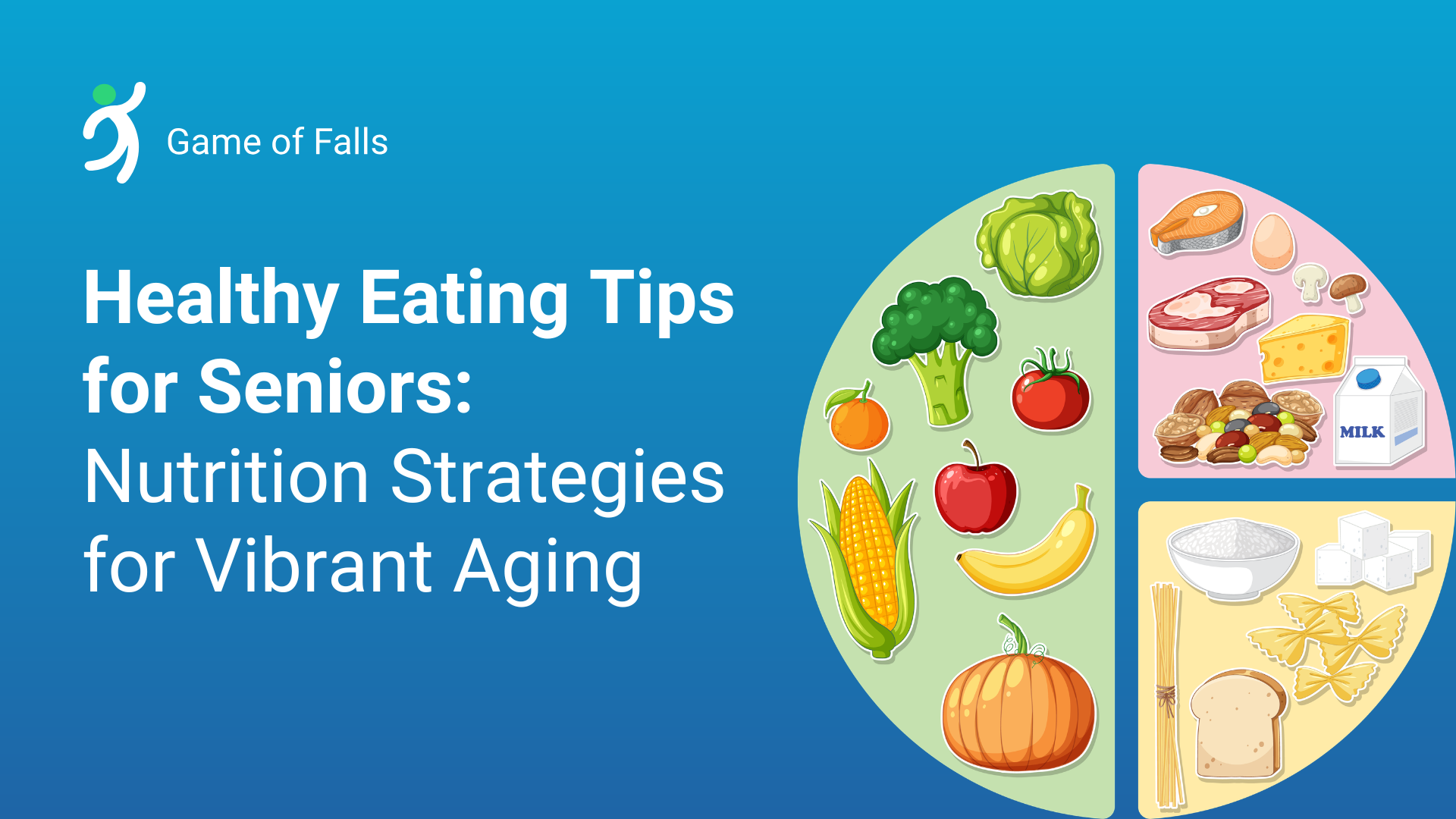
A healthy diet begins with the daily choices you make. Feeding your body the right nutrients and maintaining a healthy weight can help you stay active and independent as you age. Eating well can also reduce time and money spent at the doctor, especially if you are managing chronic conditions such as diabetes or heart […]