
The conversation about falls in the elderly often revolves around physical injuries, but there’s another side to this story: the silent, creeping fear that can tiptoe into seniors’ lives post-fall. This anxiety does more than cloud the mind; it can withdraw a person into a shell of inactivity and solitude, paving the way for more falls. It’s a cycle that we need to break, and it starts with understanding the hidden psychological battles following a fall.
Unraveling Post-Fall Anxiety
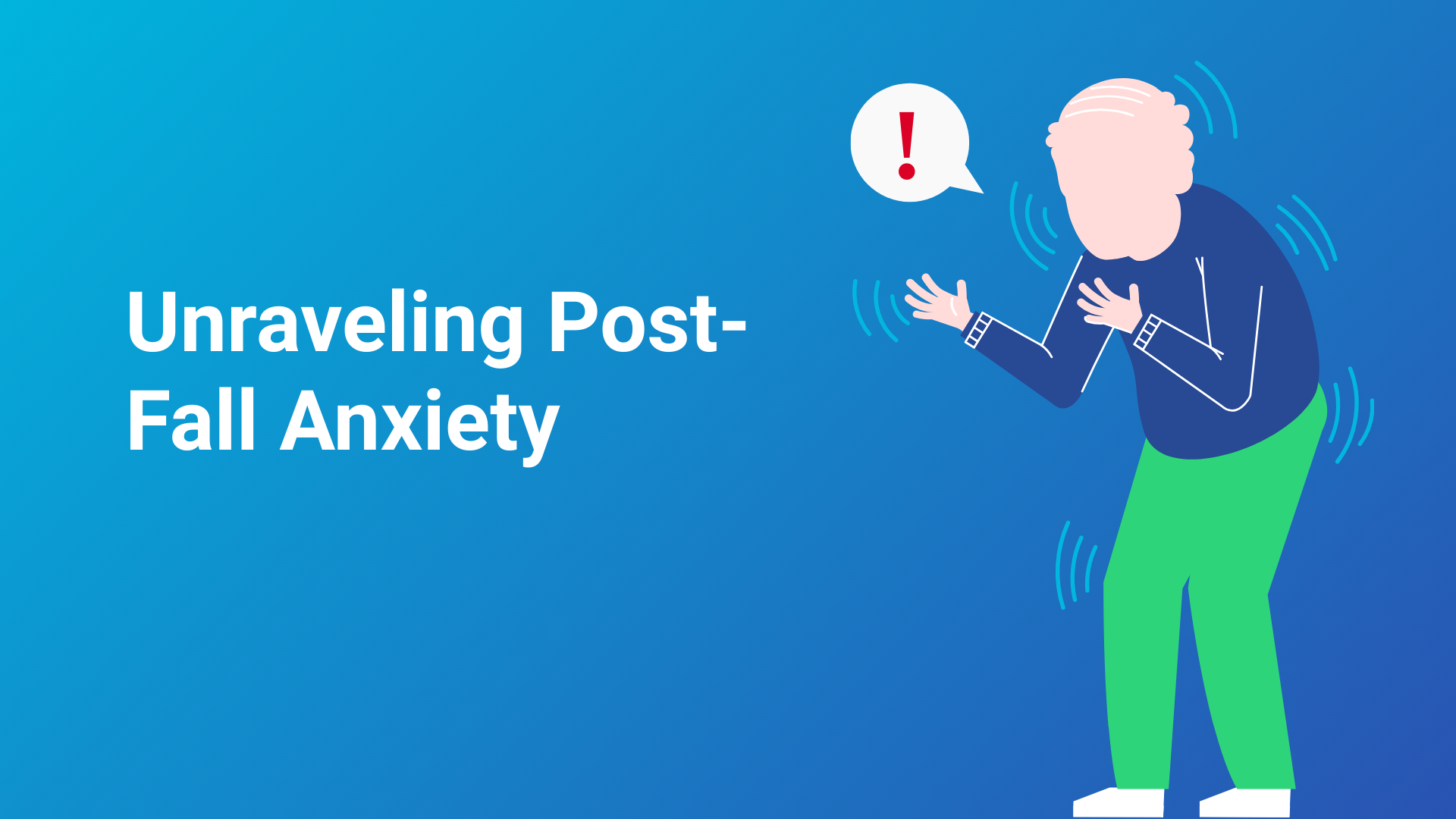
Post-fall anxiety isn’t just about a fleeting moment of fear – it’s an ongoing dread that sticks around long after a fall. For many seniors, it shrinks their world as they:
- Cut back significantly on movement and activities, fearing a repeat incident
- Lose a sense of self-assuredness and autonomy, causing them to rely more on others
- Encounter an increased risk of growing physically weaker, making future falls more likely
This condition, sometimes known as fear of falling (FoF) or post-fall syndrome, profoundly affects mental health and the joy of living.
When Falling Becomes a Troubling Pattern
With each new fall, the emotional toll deepens. The effects are genuinely disheartening:
- Increased cases of depression and anxiety among those facing repeat falls
- A diminished sense of control and a more pessimistic view of life’s potential
- Withdrawing from social and physical engagements, leading to loneliness
- Advanced muscle weakness and balance issues, heightening the chances of falling again
Trapped in this destructive feedback loop, seniors can find their physical condition deteriorating, which in turn elevates the probability of falling and fuels the fire of anxiety and depression.
The Mind-Body Connection
The ties between the psychological and physical after-effects of falls are intricate and inseparable. Consider these points:
- Anxiety and depression can disrupt walking patterns and balance, increasing the odds of taking a tumble
- Injuries from falls limit the ability to move and engage socially, deepening mental health issues
- The symptoms can mirror those of trauma-related disorders, with prevalent stress, a drop in confidence, and steering clear of certain activities
- Comprehensive recovery strategies that target both mental and physical facets can help interrupt this downward spiral
A Call to Action for Seniors and Their Supporters
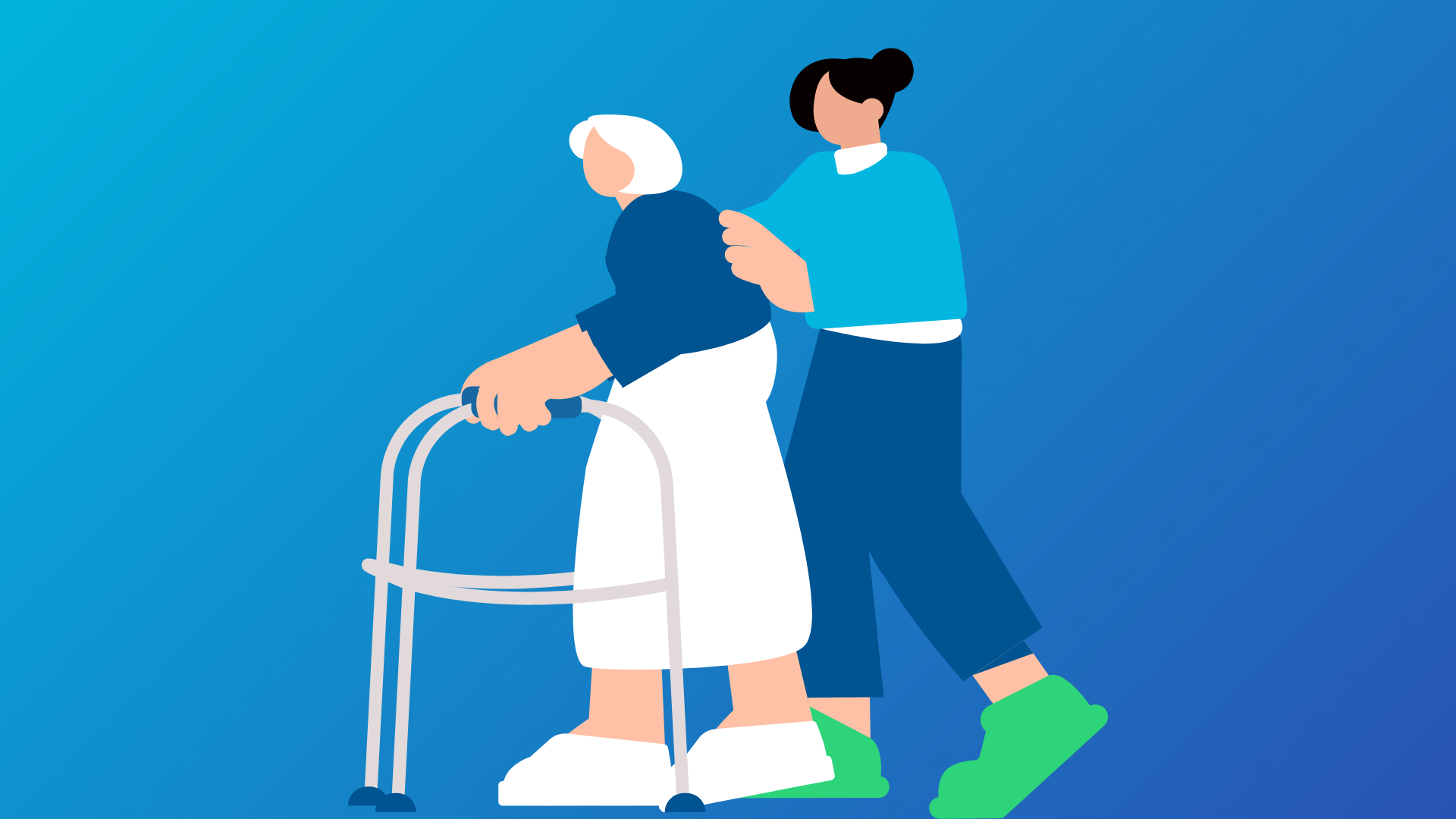
Taking on post-fall anxiety is vital for bouncing back. Both seniors and their caretakers should be cognizant of:
- The importance of not brushing aside the fear and apprehension that accompany a fall
- How open dialogue and emotional support can fight off isolation and despondency
- The role of carefully-chosen exercises in rebuilding assurance in one’s physical abilities
- The combined force of mental health therapy and fall-prevention education in promoting overall wellness
Caretakers can be instrumental champions, empowering seniors to rise above their fears with effective and empathetic strategies.
Tackling the Fear with Interactive Tools
Enter creative and interactive solutions like the Game of Falls app that can help against fall risks and associated anxieties. Here are some perks:
- Engages seniors in learning about home fall hazards in an enjoyable, game-like manner.
- Encourages better balance and coordination through delightful and accessible exercises
- Sharpens mental attentiveness and familiarity with risk-prone areas at home
- Instills self-assuredness, lessening the anxiety that looms over the possibility of falling
- Habitual use helps shape a safer living space and bolsters confidence while navigating it
By merging mental and physical exercises, such tools strive to diminish falls and soothe the associated psychological worry, crafting safer abodes and bolder spirits.
To sum up, post-fall anxiety is a formidable foe in the aftereffects of recurrent falls among seniors. Through awareness, heartfelt support, mental health care, and captivating fall-prevention initiatives, we can empower our elders to transcend fear and embrace a life of activity and safety. Caretakers stand as vital allies in this crucial pursuit of preservation and peace of mind.
Aging is a journey, not a finish line. To truly flourish as the years pass, it’s crucial to embrace the essentials for healthy aging and nutrition. Think of your body like a vintage vehicle; with the right care, balanced fuel, and regular checkups, it can keep running smoothly for decades. Being proactive about your health […]
A fall can shake a senior’s world—physically and emotionally. For many, the real bruise is not just on the body but on the spirit. Imagine confidence as a fragile vase; one slip can crack it, and even if the pieces are glued back together, it takes time and care to restore its strength. Helping a […]
Small shifts in when a pill is taken can change how steady a step feels and how safe a hallway walk becomes. Think of the day as a tide that rises and falls and let medicine effects ebb during moments that demand balance and clear focus. The right schedule lowers the chance of dizzy spells […]
Think of the brain as the conductor and the body as the orchestra. When they stay in rhythm, every step lands with confidence. Cognitive games train that rhythm by blending thinking with movement. You learn to notice hazards, choose safe actions, and move with intent. Cognitive training supports attention, memory, and decision speed. These skills […]