
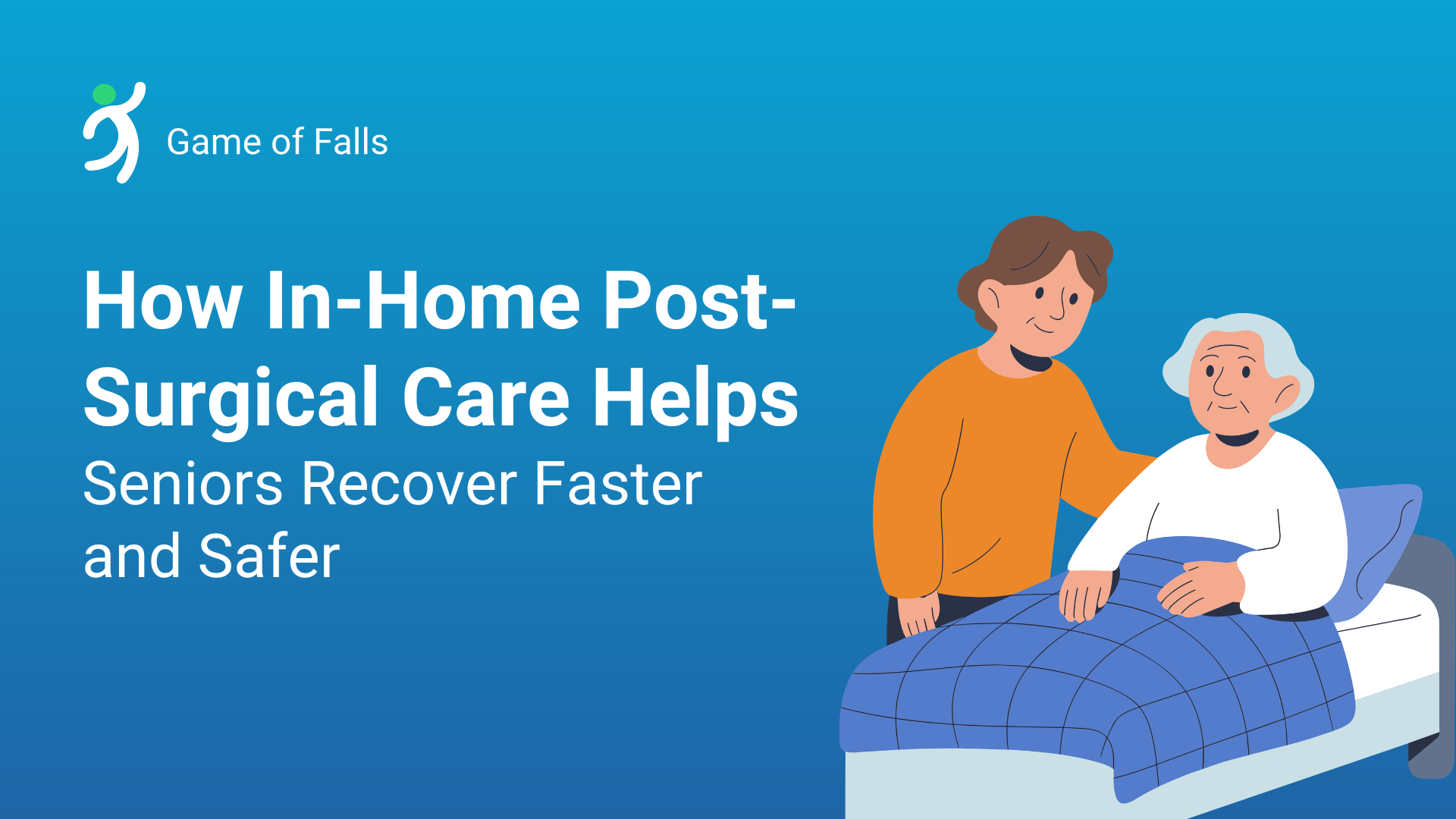
When seniors undergo surgery, the journey doesn’t end after leaving the hospital. The real test of resilience starts at home, where recovery can be challenging. In-home post-surgical care has become a vital solution, providing tailored support that helps seniors regain health quickly and safely.
Why Seniors Face Unique Post-Surgical Challenges
Imagine an older adult as a delicate flower—after a storm (surgery), it needs the right environment to bloom again. Seniors often deal with slower healing, mobility limitations, and a higher risk of complications like infections or falls. Hospital stays are brief, but the risks at home loom large without proper care.
What is In-Home Post-Surgical Care?
In-home care involves healthcare professionals—nurses, therapists, and aides—coming to the senior’s home. They offer services such as wound care, medication management, physical therapy, and help with daily tasks. The care is personalized, adapting to each senior’s needs and doctor’s instructions.
Key Benefits: Faster and Safer Recovery
- Reduced Risk of Falls and Injuries
Think of the home as a maze filled with hidden traps—loose rugs, slippery floors, and clutter. Seniors recovering from surgery are especially vulnerable to falls. In-home caregivers identify hazards and create a safer space, like a guide leading someone safely through a complex labyrinth.
- Pros: Decreased fall risk, peace of mind for families.
- Cons: Some homes may require costly modifications.
- Better Medication Management
Post-surgery, medication schedules can resemble a complex puzzle. Missing doses or taking the wrong pill can delay healing or cause complications. In-home caregivers act as puzzle masters, ensuring medications are taken correctly and on time.
- Pros: Fewer medication errors, faster healing.
- Cons: Seniors may feel less independent.
- Personalized Physical Therapy
Hospitals provide generic routines, but in-home therapists tailor exercises to the senior’s environment. It’s like learning to swim in your own pool rather than a public one. This personalization speeds up mobility recovery, using familiar settings and household items.
- Pros: Increased motivation, faster regaining of strength.
- Cons: Progress may be slower without specialized equipment.
- Emotional Support and Confidence Building
Recovery isn’t just physical. Seniors often feel anxious or isolated after surgery. In-home caregivers offer companionship and encouragement, acting as cheerleaders on the road to recovery. Confidence returns, and the fear of setbacks lessens.
- Pros: Improved mood, reduced depression risk.
- Cons: Some seniors may resist outside help.
Safety and Infection Control
Hospitals are filled with germs. Home care reduces exposure to hospital-acquired infections. Caregivers maintain cleanliness, monitor for signs of infection, and communicate with healthcare providers—like a security guard protecting a treasure.
Family Relief
Family members often juggle work and caregiving. In-home care offers relief, ensuring seniors are safe and supported. It’s like having an extra set of hands and eyes when you can’t be everywhere at once.
Choosing In-Home Post-Surgical Care: What to Consider
- Experience and Credentials: Choose licensed, trained caregivers.
- Communication: Caregivers should update families and doctors regularly.
- Flexibility: Care plans should adapt as recovery progresses.
Conclusion
In-home post-surgical care bridges the gap between hospital and full independence. It transforms recovery into a team effort, where seniors can heal in comfort, surrounded by familiar sights and sounds. Like a gardener tending to a fragile plant, in-home care nurtures seniors back to strength, ensuring they recover faster and safer. For more resources on senior safety and recovery, Game of Falls offers support and interactive tools to empower seniors and families every step of the way.
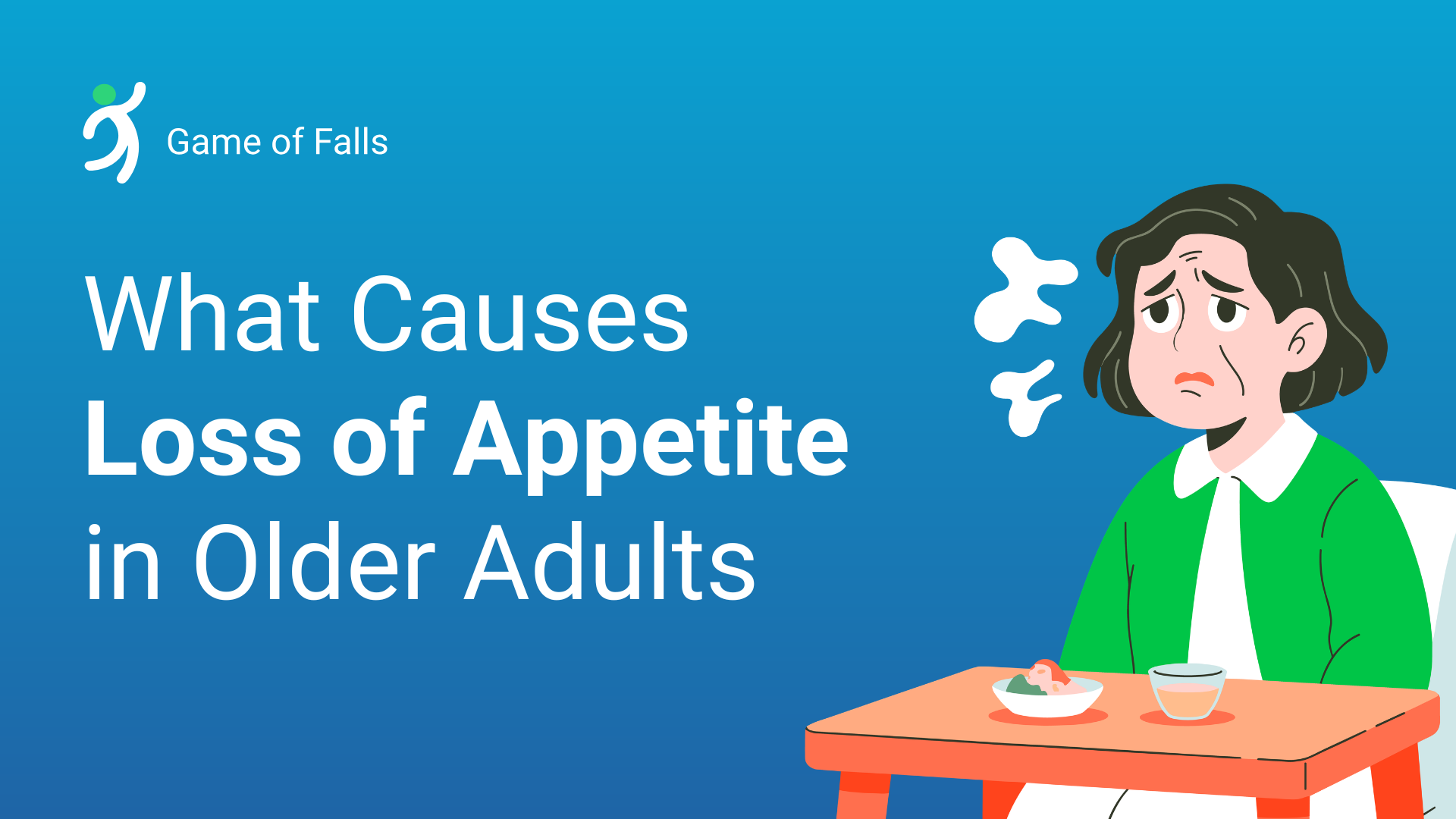
A dwindling appetite in older adults is often seen as a simple fact of aging. The real story is more tangled. Several unseen threads pull at the desire to eat, making meals less inviting and nutrition less certain. Like a fading radio signal, the cues that once called for food grow faint or tangled with […]
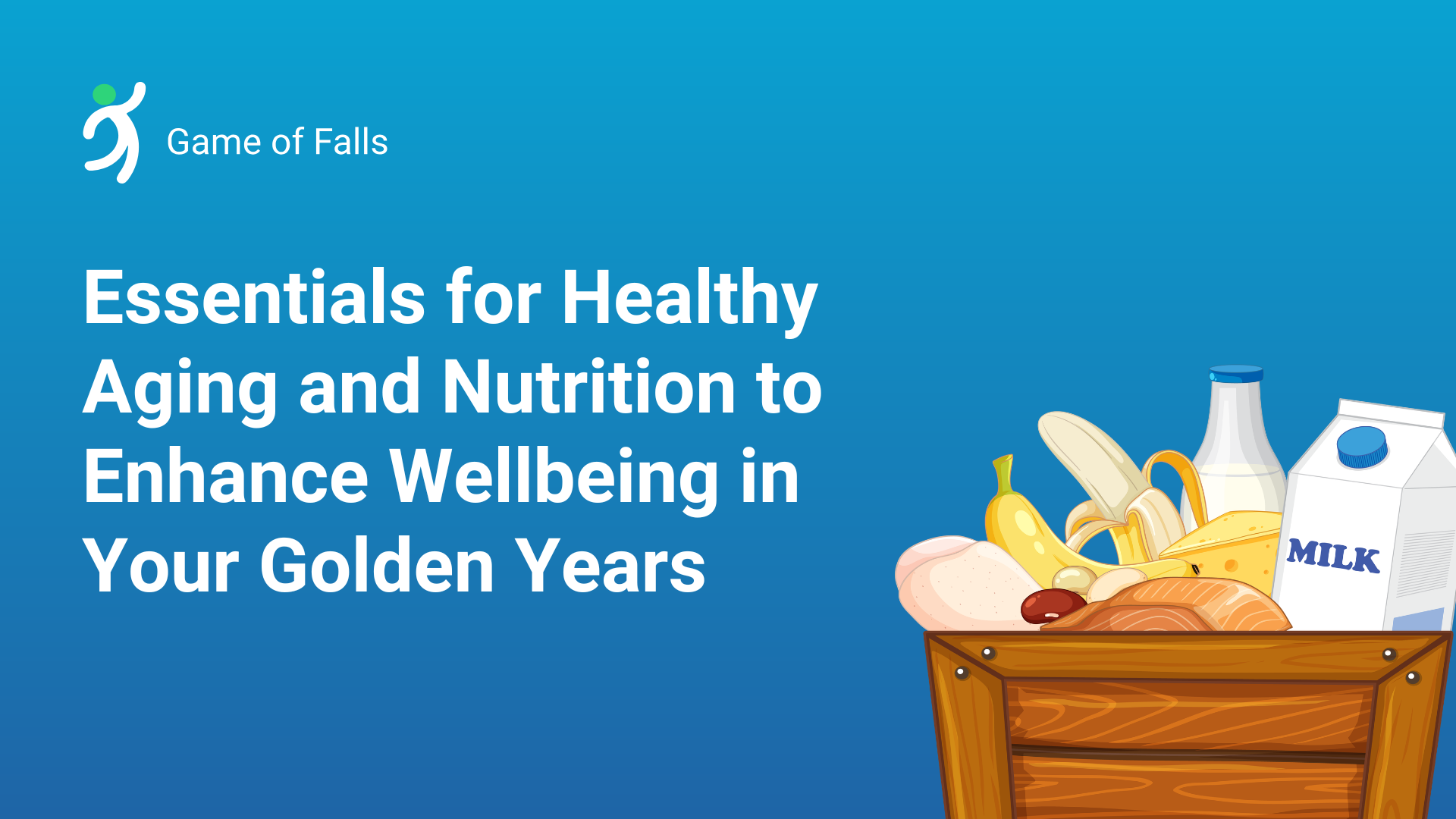
Aging is a journey, not a finish line. To truly flourish as the years pass, it’s crucial to embrace the essentials for healthy aging and nutrition. Think of your body like a vintage vehicle; with the right care, balanced fuel, and regular checkups, it can keep running smoothly for decades. Being proactive about your health […]
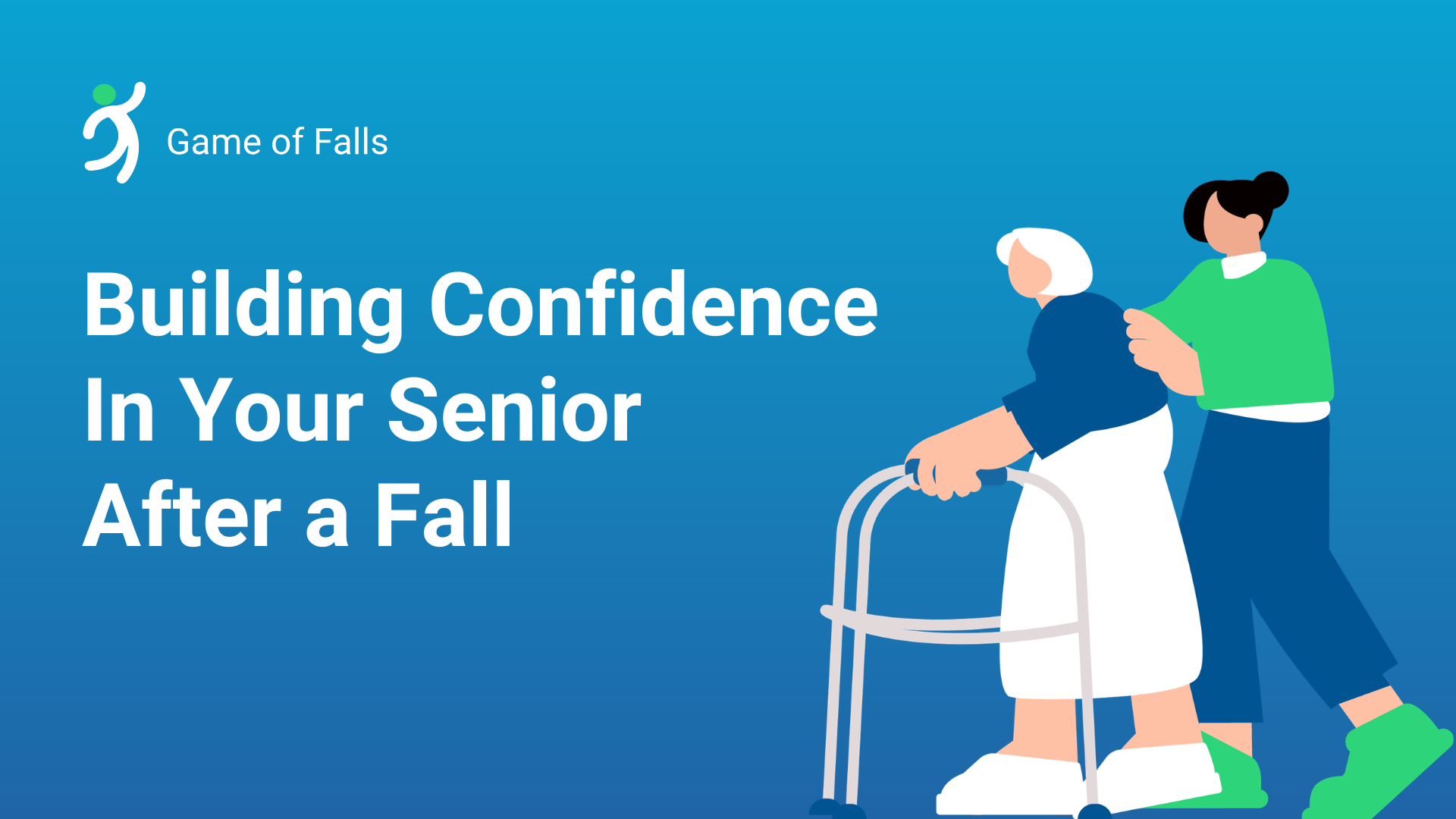
A fall can shake a senior’s world—physically and emotionally. For many, the real bruise is not just on the body but on the spirit. Imagine confidence as a fragile vase; one slip can crack it, and even if the pieces are glued back together, it takes time and care to restore its strength. Helping a […]
Small shifts in when a pill is taken can change how steady a step feels and how safe a hallway walk becomes. Think of the day as a tide that rises and falls and let medicine effects ebb during moments that demand balance and clear focus. The right schedule lowers the chance of dizzy spells […]