
These days, it seems like life moves at lightning speed, and many seniors can end up feeling a bit left out or isolated from the neighborhoods they’ve called home for years. But here’s the good news: creating a supportive atmosphere through social interactions not only elevates their day-to-day experience but also boosts both their physical and mental wellness.
Why Community is Important for Seniors

Having a strong sense of community is like having a safety net. It gives seniors feelings of belonging, a meaningful purpose, and emotional backing when they need it the most. When they get together regularly, it really lowers the chances of facing loneliness, depression, or other health challenges that can come with aging. Staying engaged helps them keep their independence, sharp minds, and overall improves their quality of life.
Perks of Social Engagement
Now, social engagement isn’t just about chatting over coffee. It’s actually a fundamental piece of healthy aging! Here are some awesome benefits to staying socially active:
- Less loneliness and sadness: Seniors who jump into group activities or enjoy regular check-ins with friends are way less likely to feel lonely.
- Boosted mental health: Getting involved with others stimulates the brain, keeps mental processes sharp, and helps lower the risk of cognitive problems like dementia.
- Improved physical health: A lively social life nudges seniors to stay active, which translates to better sleep, mobility, and longer life overall.
- Greater sense of belonging and self-worth: When seniors engage in their communities, they often feel better about themselves and enjoy life more.
Smart Ways to Build Community
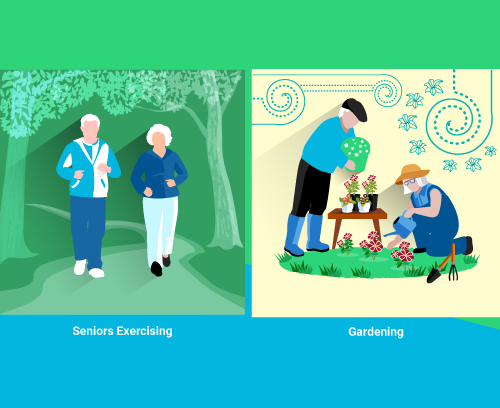
- Join Senior Centers
These vibrant places are like social kitchens where a mix of activities (iike exercise, hobbies, and educational programs) happen. They create great chances for seniors to meet folks who share their interests, leading to new friendships. - Embrace Technology
Tech can feel like a bridge to new connections. Social media, video chats, and online forums can help seniors stay in touch with loved ones, especially if getting around is tricky. Many places even offer tech classes to help seniors feel more comfortable with gadgets. - Participate in Volunteer Activities
Volunteering can seriously light up a senior’s day. Whether it’s helping out at schools or local charities, these acts not only make a difference but also help build meaningful relationships. - Attend Community Events
From local festivals to art shows, there’s a ton of opportunities for seniors to mingle, learn about different cultures, and make new memories. - Engage in Spiritual Activities
Participating in community faith-based gatherings can offer structure, connection, and purpose. - Take Classes or Join Hobby Groups
Whether it’s painting, gardening, or even book clubs, classes built around seniors’ interests keep their minds active and spirits high. - Foster Intergenerational Connections
Getting to know younger folks—through school programs or family activities—can add a vibrant twist to seniors’ lives and help break down age-based stereotypes.
Tackling Socialization Challenges
Sometimes, roadblocks like mobility issues, a lack of transport, or just feeling nervous about new experiences can hold seniors back from socializing. That’s where family and caregivers come in! Arranging transportation, encouraging small steps, and being there for moral support can really help.
Setting up regular social activities gives seniors something to look forward to. Even little things, like joining a trivia night or going for neighborhood strolls, can have a fantastic impact.
The Role of Families and Communities
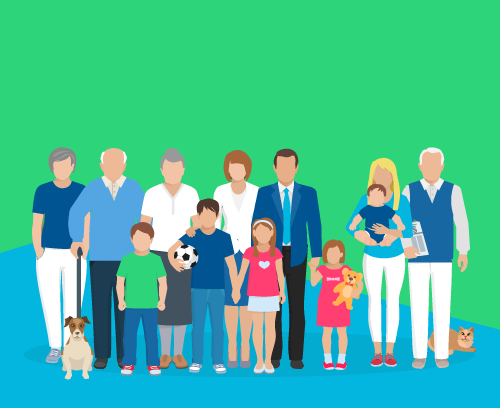
Families, friends, and caregivers are crucial in keeping seniors connected. By tuning into their interests, providing practical help, and gently nudging them to participate, loved ones play a massive part in helping seniors step out of isolation and into richer, more satisfying lives.
Wrapping It Up
Creating a sense of community for seniors isn’t just a solo mission; it’s something we all can participate in, and it boosts not just individuals but society at large. When seniors are socially active, they enjoy better mental and physical health, deeper happiness, and a true sense of connection. By encouraging social opportunities and extending our support, we can build lively, resilient communities where everyone feels they belong.
Aging is a journey, not a finish line. To truly flourish as the years pass, it’s crucial to embrace the essentials for healthy aging and nutrition. Think of your body like a vintage vehicle; with the right care, balanced fuel, and regular checkups, it can keep running smoothly for decades. Being proactive about your health […]
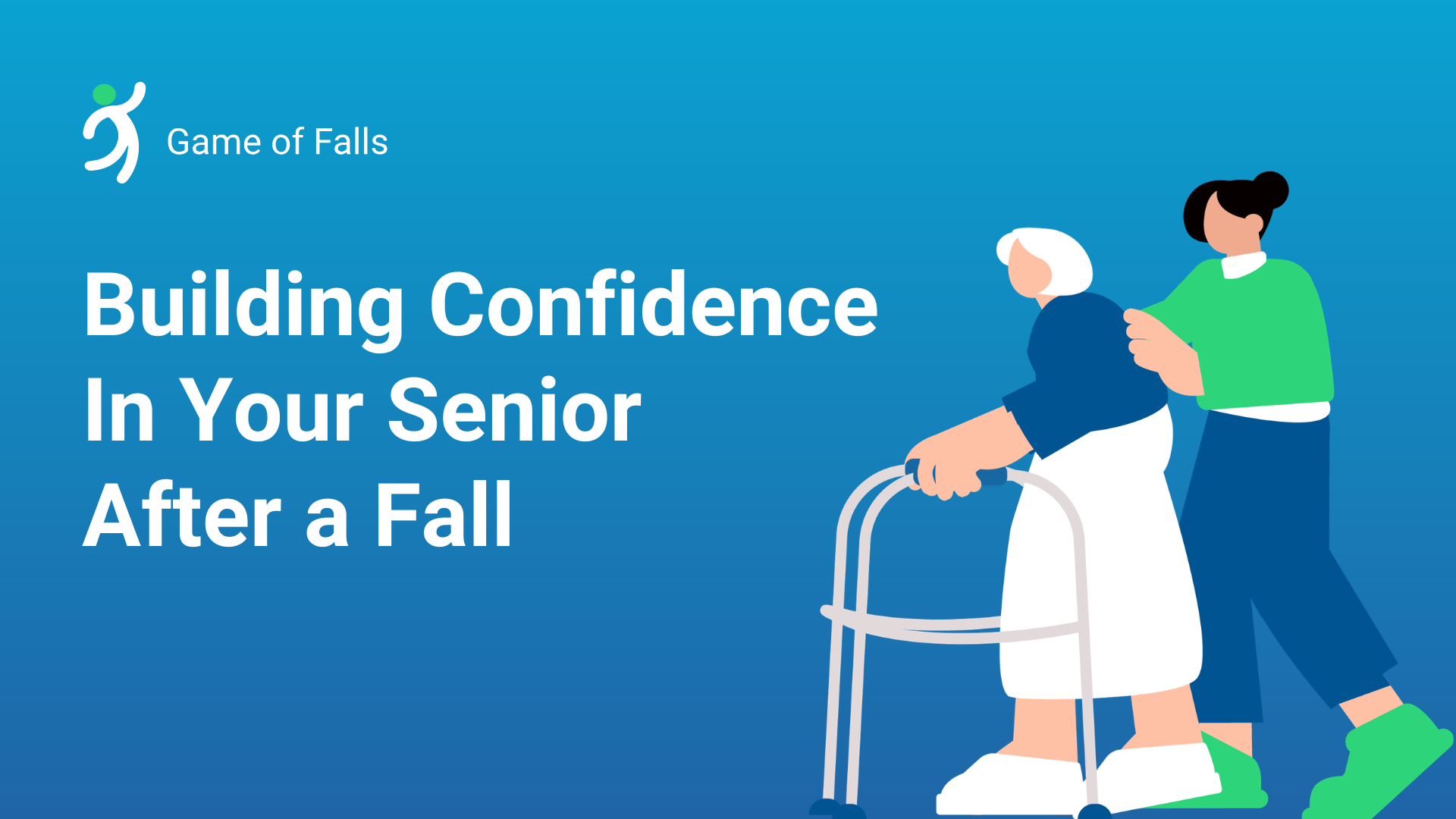
A fall can shake a senior’s world—physically and emotionally. For many, the real bruise is not just on the body but on the spirit. Imagine confidence as a fragile vase; one slip can crack it, and even if the pieces are glued back together, it takes time and care to restore its strength. Helping a […]
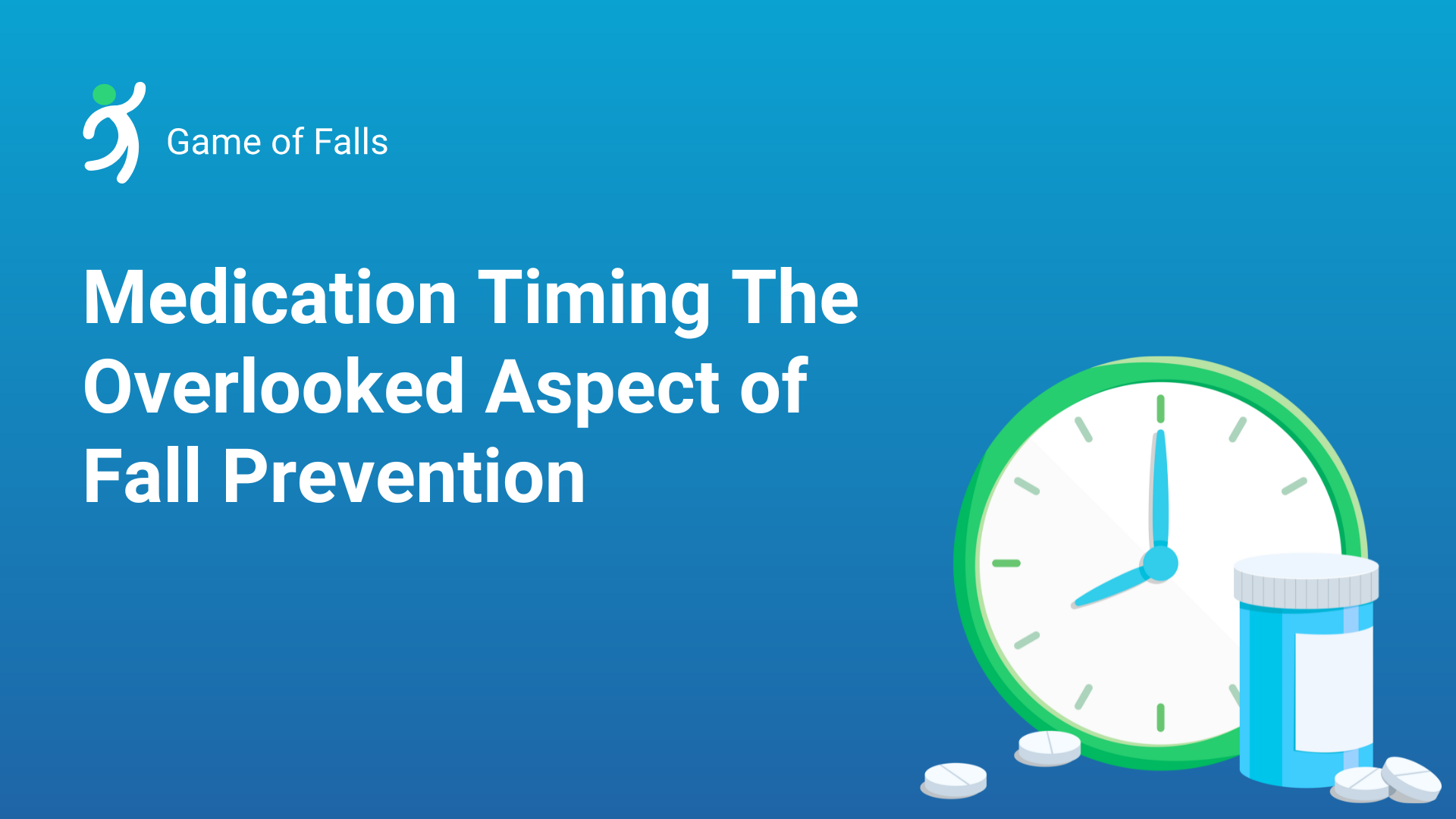
Small shifts in when a pill is taken can change how steady a step feels and how safe a hallway walk becomes. Think of the day as a tide that rises and falls and let medicine effects ebb during moments that demand balance and clear focus. The right schedule lowers the chance of dizzy spells […]
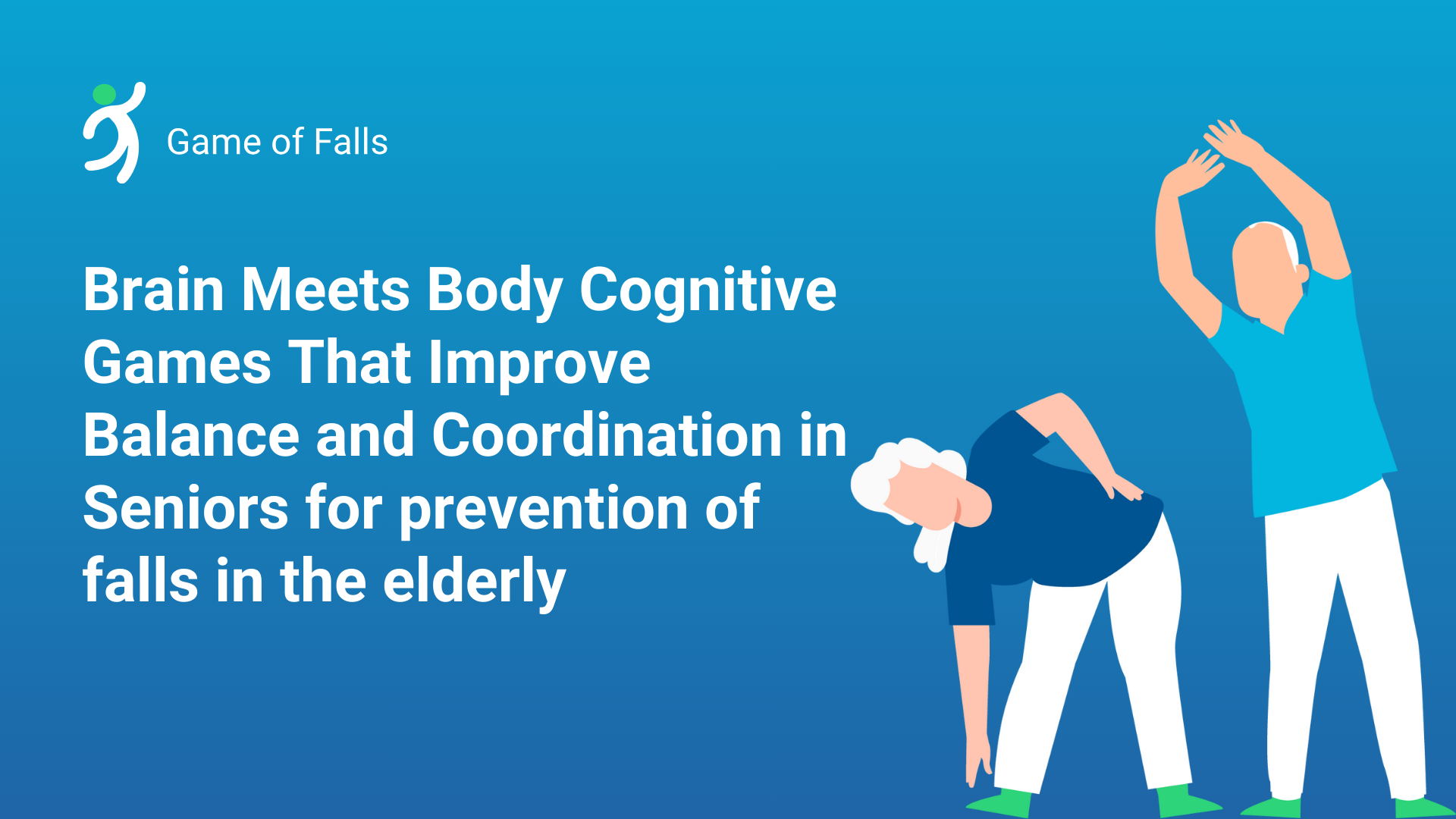
Think of the brain as the conductor and the body as the orchestra. When they stay in rhythm, every step lands with confidence. Cognitive games train that rhythm by blending thinking with movement. You learn to notice hazards, choose safe actions, and move with intent. Cognitive training supports attention, memory, and decision speed. These skills […]