
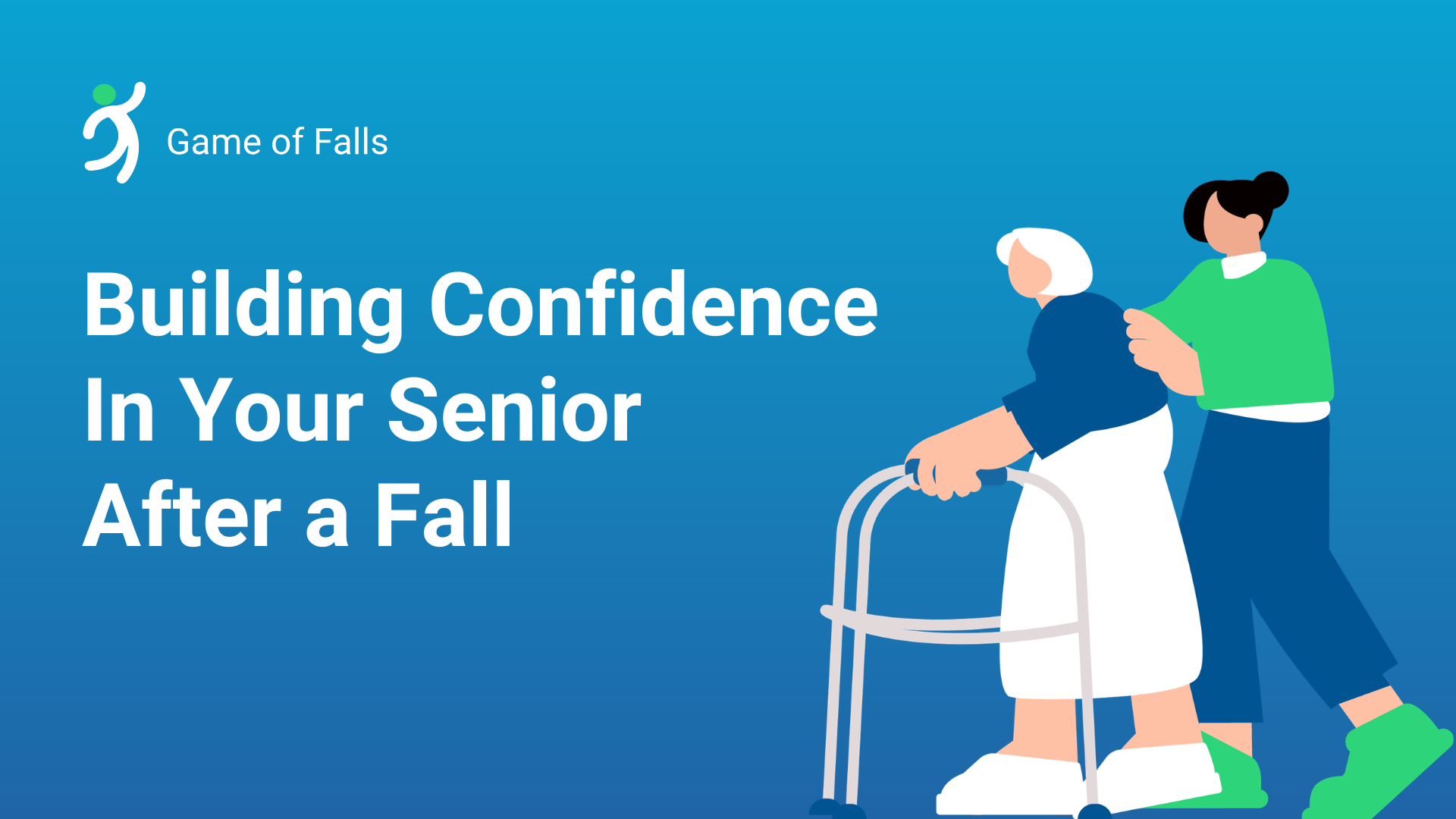
A fall can shake a senior’s world—physically and emotionally. For many, the real bruise is not just on the body but on the spirit. Imagine confidence as a fragile vase; one slip can crack it, and even if the pieces are glued back together, it takes time and care to restore its strength. Helping a loved one recover after a fall isn’t just about healing bones—it’s about rebuilding the trust they once had in their own movements and surroundings.
Understanding Post-Fall Anxiety
When a senior falls, the fear of falling again often lingers, like a shadow that follows them everywhere. This is known as post-fall anxiety. It’s not just a fleeting worry—it’s a persistent dread that can cause your loved one to avoid walking, socializing, or even moving about the house. Over time, this avoidance can lead to muscle weakness, loneliness, and a greater risk of falling again. It’s a vicious cycle, like being stuck in quicksand: the more you struggle alone, the deeper you sink.
Why Confidence Matters
Research shows that a senior’s confidence—specifically, “balance confidence”—is a powerful predictor of recovery after a fall. Seniors who believe in their ability to move safely are more likely to stay active and regain independence. Those who lose confidence may become overly cautious, moving less and reducing their strength and balance further.
Steps to Rebuild Confidence After a Fall
Let’s break down some practical, compassionate ways you can help your loved one regain their footing—literally and figuratively.
Open Up the Conversation
Start by simply talking. Ask your loved one about their fears and listen without judgment. Honest conversations can relieve some of the emotional weight. Avoid brushing off their worries; instead, validate their feelings. “It’s normal to feel scared after a fall. Let’s work through this together,” can mean more than you think.
Consult Healthcare Professionals
After a fall, schedule a visit with a doctor. Sometimes, physical or occupational therapy is recommended. Therapists can teach exercises that strengthen muscles, improve balance, and show safe ways to move or get up from a fall. This professional guidance can quickly turn fear into empowerment.
Make the Home Safer
A safer home is a more confident home. Remove loose rugs, tape down cords, install grab bars in the bathroom, and keep walkways clear. Think of it like removing speed bumps from a road—every obstacle you clear makes the journey smoother and less intimidating.
Encourage Gentle Exercise
Physical activity is key to breaking the cycle of fear and weakness. Start small—gentle walks, chair exercises, or tai chi. Exercise helps rebuild strength, balance, and trust in their own abilities. It’s like learning to ride a bike again: the more you practice, the steadier you get.
Use Support Tools Wisely
Simple tools like canes, walkers, or emergency alert buttons can be a safety net, not a crutch. Having these devices nearby reassures seniors that help is always within reach, which can boost confidence when moving around the house or going outside.
Foster Social Connections
Isolation can deepen post-fall anxiety. Encourage your loved one to stay in touch with friends and family—whether in person, over the phone, or online. Social support is like a bridge over troubled water; it keeps them connected to the world outside their fears.
Address Emotional Health
Sometimes, post-fall anxiety grows into depression or chronic worry. If you notice signs—persistent sadness, irritability, or withdrawal—consider counseling or support groups. Mental health care is as vital as physical care in recovery.
Breaking the Cycle
Confidence grows in small steps. Celebrate even minor victories—a walk to the mailbox, standing up without help, or joining a group activity. Each success is a brick in rebuilding their self-assurance.
Remember, recovery is a journey, not a sprint. Patience, encouragement, and teamwork are your best tools. By addressing both physical and emotional needs, you help your loved one break free from the quicksand of post-fall anxiety and step back into a life full of movement and meaning.
A dwindling appetite in older adults is often seen as a simple fact of aging. The real story is more tangled. Several unseen threads pull at the desire to eat, making meals less inviting and nutrition less certain. Like a fading radio signal, the cues that once called for food grow faint or tangled with […]
Aging is a journey, not a finish line. To truly flourish as the years pass, it’s crucial to embrace the essentials for healthy aging and nutrition. Think of your body like a vintage vehicle; with the right care, balanced fuel, and regular checkups, it can keep running smoothly for decades. Being proactive about your health […]
Small shifts in when a pill is taken can change how steady a step feels and how safe a hallway walk becomes. Think of the day as a tide that rises and falls and let medicine effects ebb during moments that demand balance and clear focus. The right schedule lowers the chance of dizzy spells […]
Think of the brain as the conductor and the body as the orchestra. When they stay in rhythm, every step lands with confidence. Cognitive games train that rhythm by blending thinking with movement. You learn to notice hazards, choose safe actions, and move with intent. Cognitive training supports attention, memory, and decision speed. These skills […]