
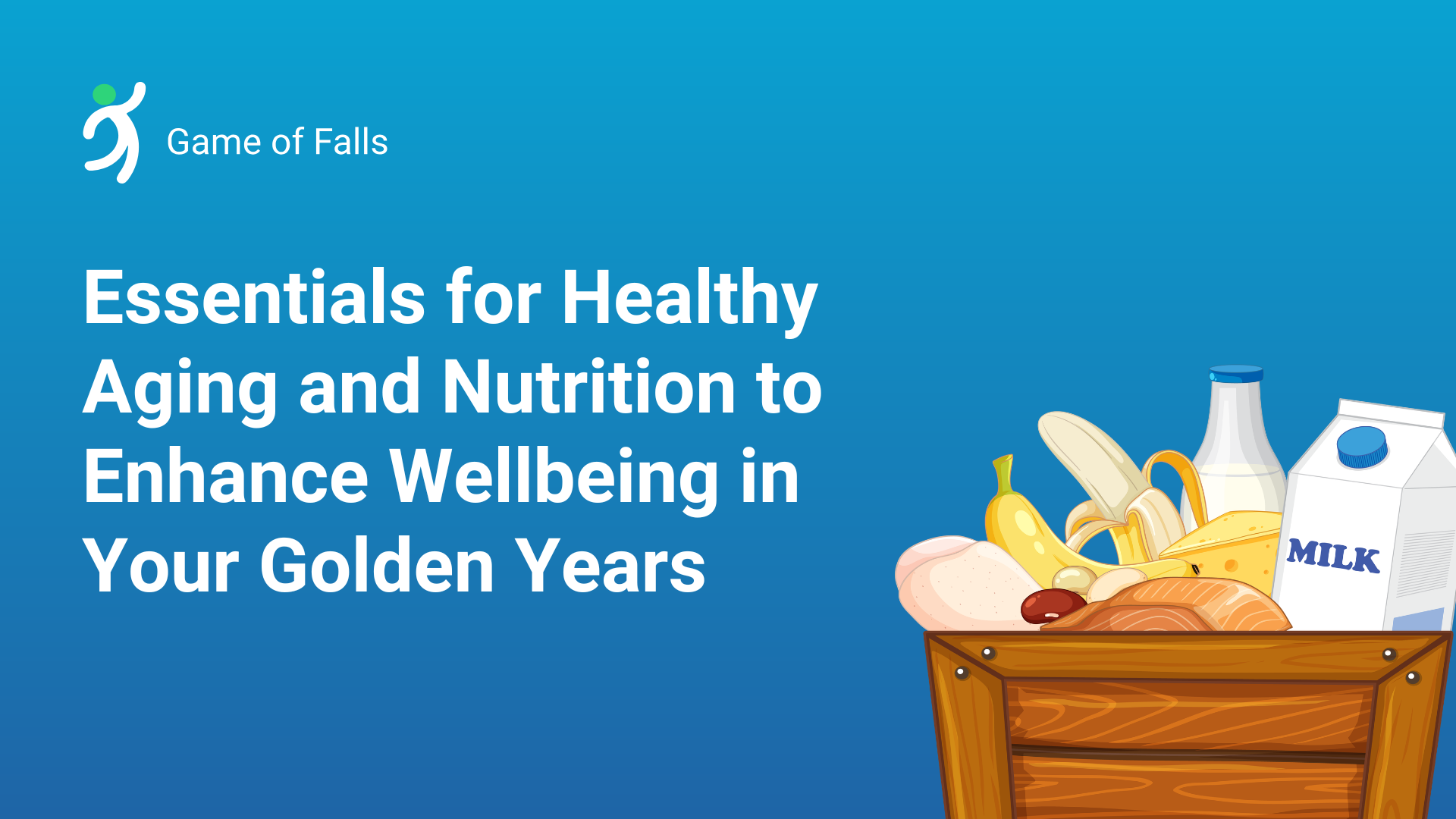
Aging is a journey, not a finish line. To truly flourish as the years pass, it’s crucial to embrace the essentials for healthy aging and nutrition. Think of your body like a vintage vehicle; with the right care, balanced fuel, and regular checkups, it can keep running smoothly for decades. Being proactive about your health sets the stage for a more vibrant, independent life.
Routine health screenings are foundational for longevity and wellbeing. These regular checkups act like early warning systems, detecting potential problems before they escalate. Blood pressure monitoring, colon cancer screenings after age 45, and cholesterol checks every few years reduce your risk of major illnesses. Preventive care empowers you to address concerns early, allowing you to keep your energy high and your body strong.
Nutrition is equally vital. Imagine your daily meals as the fuel that powers every system in your body. A diet rich in vegetables, fruits, whole grains, and lean proteins boosts your immune system, sharpens your mind, and strengthens your muscles. Calcium and vitamin D form the backbone of bone health, while fiber promotes digestion. Healthy fats from nuts and olive oil support your heart, helping you feel energized and resilient for whatever the day brings.
Staying active is the oil that keeps your joints and muscles flexible. Simple activities like walking, stretching, or gentle strength exercises can make a big difference. Movement helps maintain your independence, lowers your risk of falls, and improves your mood. Even light daily routines can have a powerful impact, keeping you mobile and engaged with life’s pleasures. Think of exercise as a tune-up—each session helps prevent rust and keeps you running smoothly.
Consider these practical steps as you build your healthy aging routine:
- Schedule annual screenings such as blood pressure, cholesterol, and cancer tests.
- Prioritize nutrient-dense foods, focusing on colorful produce and whole grains.
- Incorporate regular movement, including balance and flexibility exercises.
- Nurture your social network through family, friends, and community activities.
- Make time for restorative sleep and stress relief, such as meditation or deep breathing.
Social and mental health are pillars of successful aging. Meaningful connections and regular engagement help guard against depression and cognitive decline. Whether it’s joining a group, volunteering, or simply reaching out to loved ones, staying socially active is as vital as physical fitness. Mental stimulation from puzzles, reading, or learning new skills keeps your brain agile and supports a sense of purpose.
Modern technology offers new ways to stay healthy. Wearable devices monitor your activity, remind you to move, and track your progress. Interactive programs can turn exercise into an enjoyable, social experience. For example, Game of Falls is designed to make balance training fun and practical, helping older adults improve stability and reduce the risk of falls—a major concern as we age.By embracing the essentials for healthy aging and nutrition, you’re investing in a future filled with vitality, independence, and joy. With tools like Game of Falls and a commitment to prevention, nourishment, and movement, every year can be a new chapter of thriving, not just surviving.

Looking youthful is not only about skincare products or expensive treatments. Everyday choices can affect your skin, energy, mobility, heart health, and cognitive wellbeing over time. While ageing is natural, some habits may speed up visible and internal changes more than others. The good news is that many of these habits are manageable. If you […]
A conversation with someone living with dementia may not always follow familiar patterns. They might repeat a question, lose a word halfway through a sentence, become upset by a small change in routine, or talk about a place or person from long ago as though it were today. These moments can be painful and confusing […]
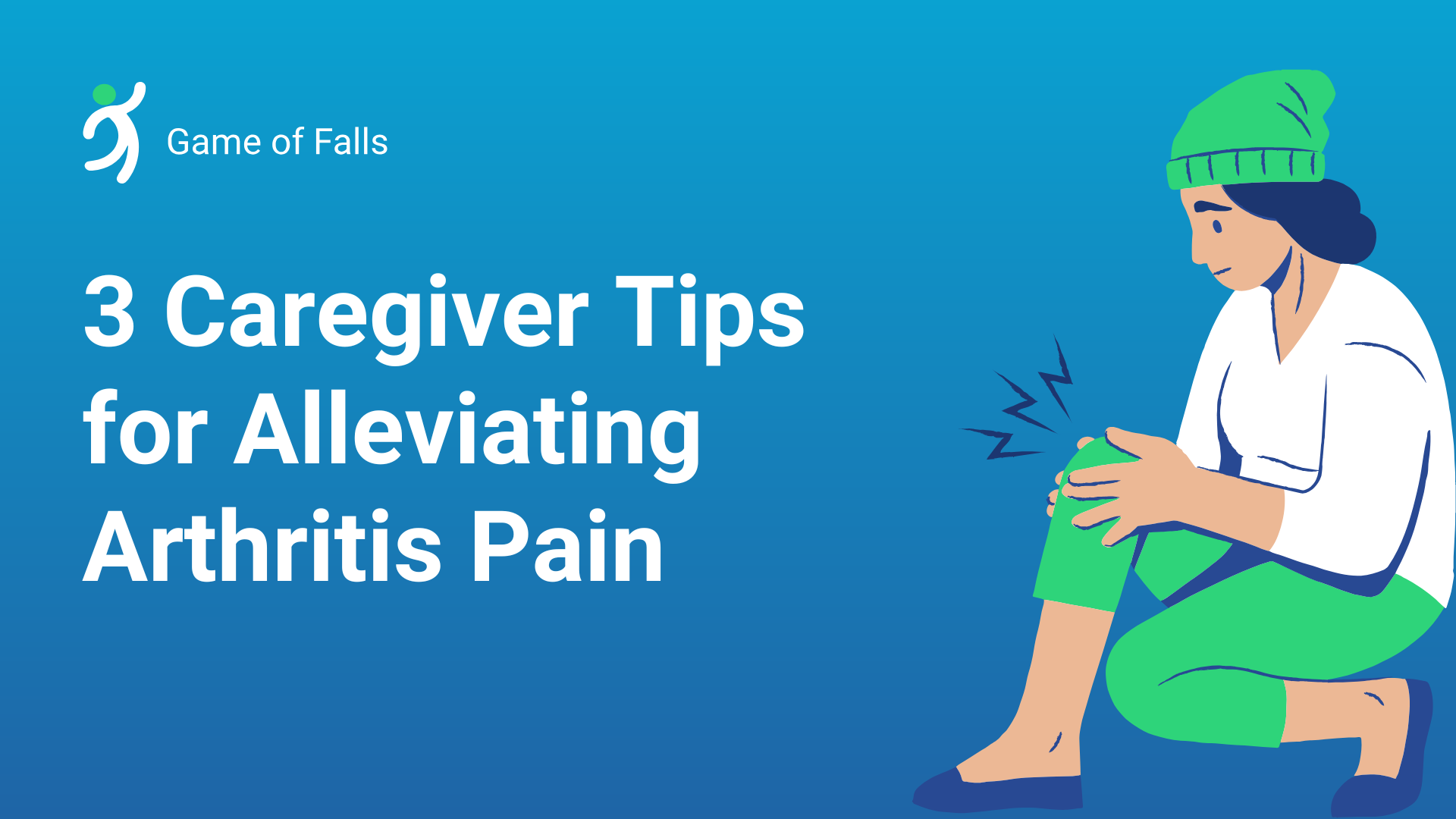
Caring for a loved one with arthritis can be rewarding, but it can also be challenging. Joint pain, stiffness, swelling, and limited mobility may make everyday activities such as dressing, bathing, cooking, or walking more difficult. Caregivers can provide valuable support by helping older adults manage symptoms safely while maintaining comfort and independence. Medical treatment […]
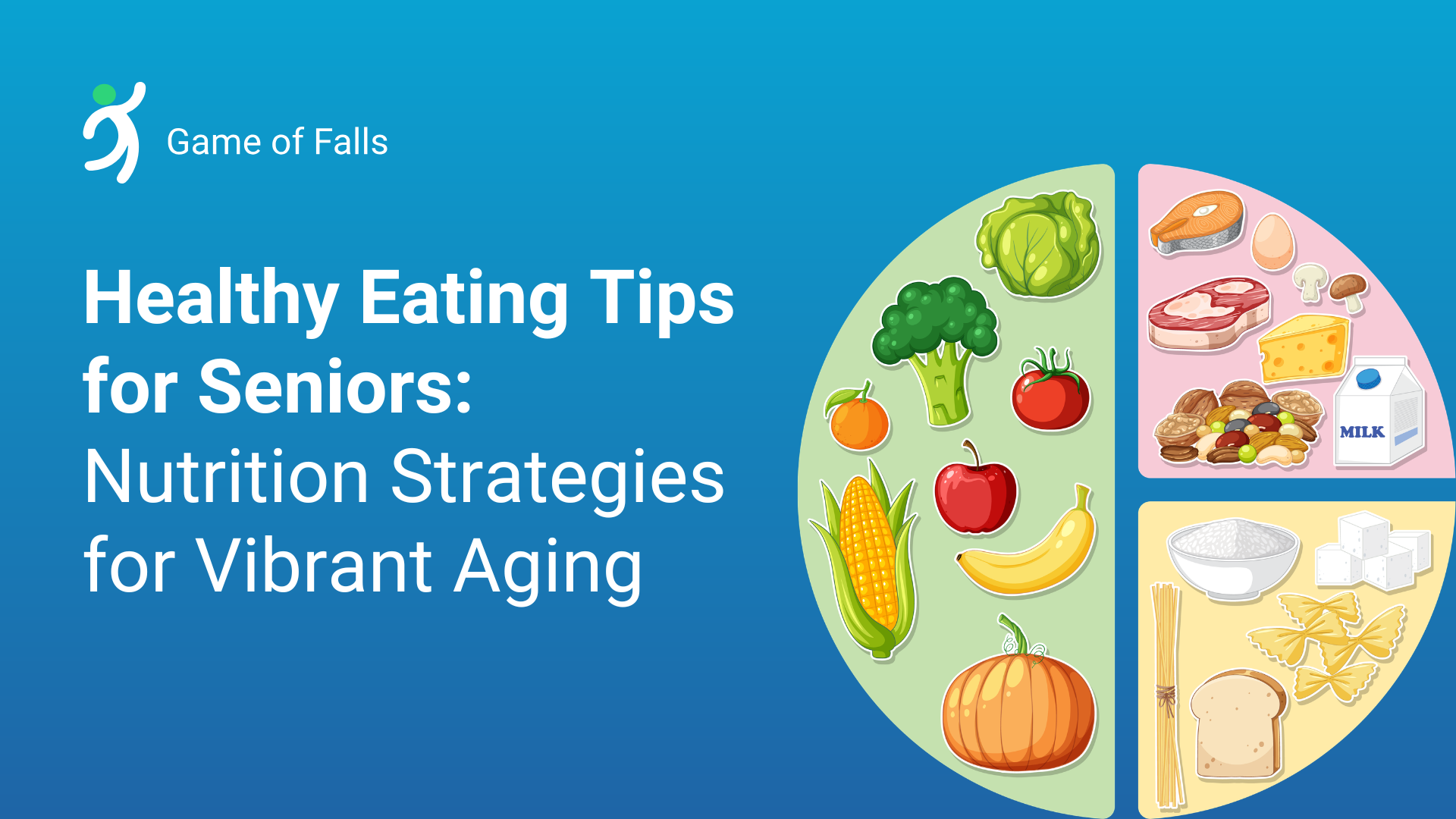
A healthy diet begins with the daily choices you make. Feeding your body the right nutrients and maintaining a healthy weight can help you stay active and independent as you age. Eating well can also reduce time and money spent at the doctor, especially if you are managing chronic conditions such as diabetes or heart […]